


What Are the Kinds of Technology? 12 Main Types Explained with Examples
Technology comes in many forms, from the smartphones and computers we use every day to the medical equipment, industrial machines, and renewable energy systems that support modern society. The main kinds of technology are information, communication, medical, educational, manufacturing, agricultural, transportation, energy, environmental, construction, financial, and assistive technology. Each category solves different problems, although many technologies work together.
Understanding these categories makes it easier to see how technology affects everyday life, how businesses operate and how new innovations are changing different industries. This guide explains the major types of technology, what they do, where they are used and how to recognize them in real-world situations.
What Does Technology Mean?
Technology is the practical application of knowledge, tools, techniques and systems to solve problems or achieve specific goals. It includes physical products such as machines and medical devices, as well as digital products such as software, networks and online services.
Technology is not limited to computers or the internet. A tractor, water filtration system, electric motor, smartphone and hospital scanner are all examples of technology because each applies knowledge to perform a useful task.
To understand the subject more clearly, it helps to explore what technology means before looking at its different categories.
What Are the Main Kinds of Technology?
There is no single classification system that every industry uses. However, technology is commonly grouped according to its purpose and the problems it solves.
| Kind of technology | Main purpose | Everyday or industry example |
|---|---|---|
| Information technology (IT) | Process and manage information | Computers, databases and cloud platforms |
| Communication technology | Connect people and devices | Mobile networks and video calls |
| Medical technology | Support healthcare and diagnosis | MRI scanners and patient monitors |
| Educational technology | Improve teaching and learning | Learning platforms and digital classrooms |
| Manufacturing technology | Produce goods efficiently | Industrial robots and 3D printers |
| Agricultural technology | Improve farming and food production | Smart irrigation and GPS tractors |
| Transportation technology | Move people and goods | Electric vehicles and navigation systems |
| Energy technology | Generate, store and distribute power | Solar panels and batteries |
| Environmental technology | Monitor and reduce environmental harm | Water treatment and pollution sensors |
| Construction technology | Design and build structures | Building information modelling and smart equipment |
| Financial technology | Improve financial services | Digital payments and online banking |
| Assistive technology | Support people with disabilities or access needs | Screen readers and mobility devices |
These categories are useful starting points, not rigid boundaries. One product can belong to several categories depending on how it is designed and used.
1. Information Technology (IT)
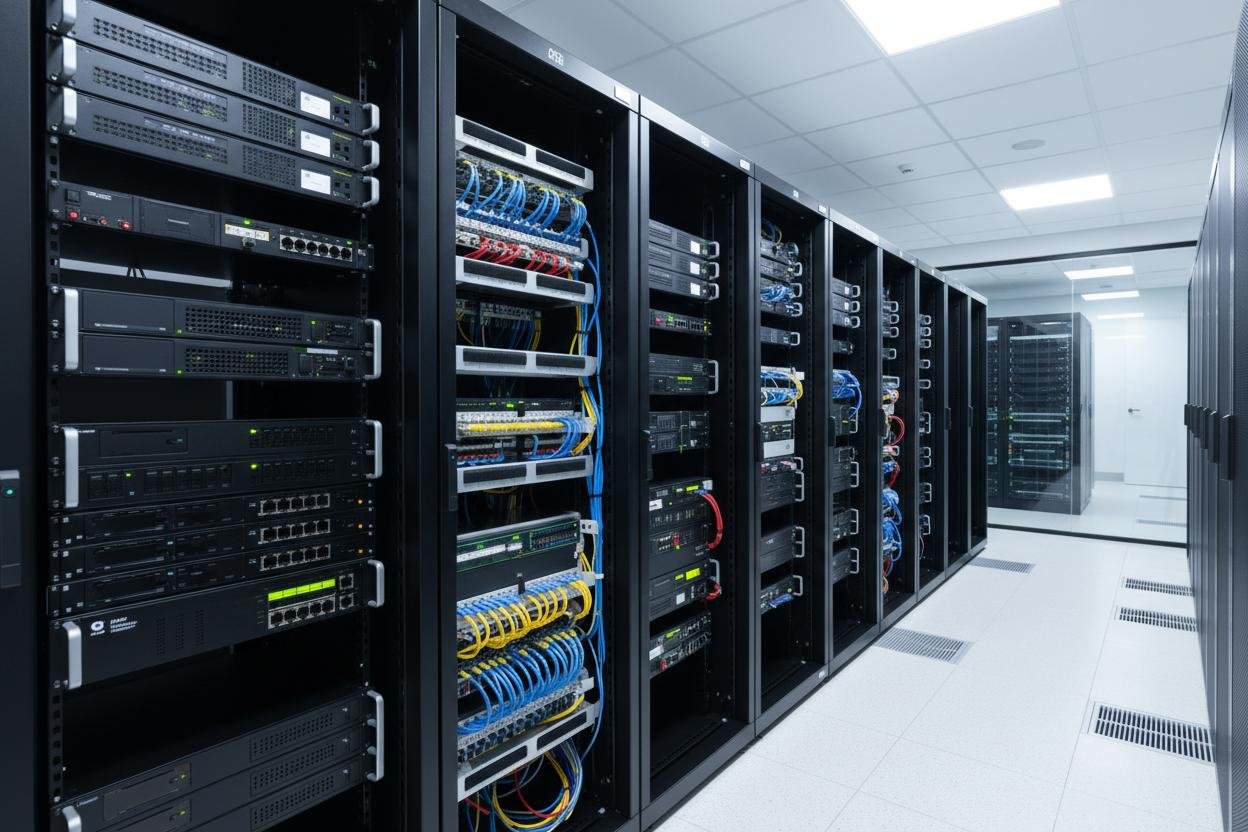
Information technology is the use of computers, software, networks and digital systems to collect, process, store, secure and share information. It is one of the most widely used kinds of technology because organizations depend on reliable information to make decisions and deliver services.
Common examples of information technology include:
- Desktop computers and laptops
- Servers and data centers
- Business software and databases
- Cloud computing platforms
- Data backup and recovery systems
- Security tools
Where is information technology used?
Businesses use IT to manage customer records, process transactions, coordinate employees and analyze performance. Schools use it to manage student information, while hospitals use digital systems to maintain records and support administration.
Problem it solves: Without organized information systems, businesses may struggle with lost records, slow processes and inconsistent data. IT helps centralize information, improve access and support better decisions.
If you want to understand the terminology in more detail, read our guide to what IT stands for in technology.
2. Communication Technology
Communication technology includes the tools and systems people use to exchange information over short or long distances. It makes it possible to communicate through voice, text, images and video without being in the same location.
Examples include:
- Smartphones and mobile networks
- Email and instant messaging
- Video conferencing platforms
- Radio and television broadcasting
- Fiber-optic internet
- Satellite communication
How does communication technology help people?
A remote employee can join a meeting through video conferencing, a family can stay in touch through messaging apps, and emergency services can share important updates quickly.
Businesses also use communication systems to support customer service, remote collaboration and international operations.
Problem it solves: Distance and delays can make collaboration difficult. Communication technology helps people share information and coordinate work more efficiently.
3. Medical and Healthcare Technology
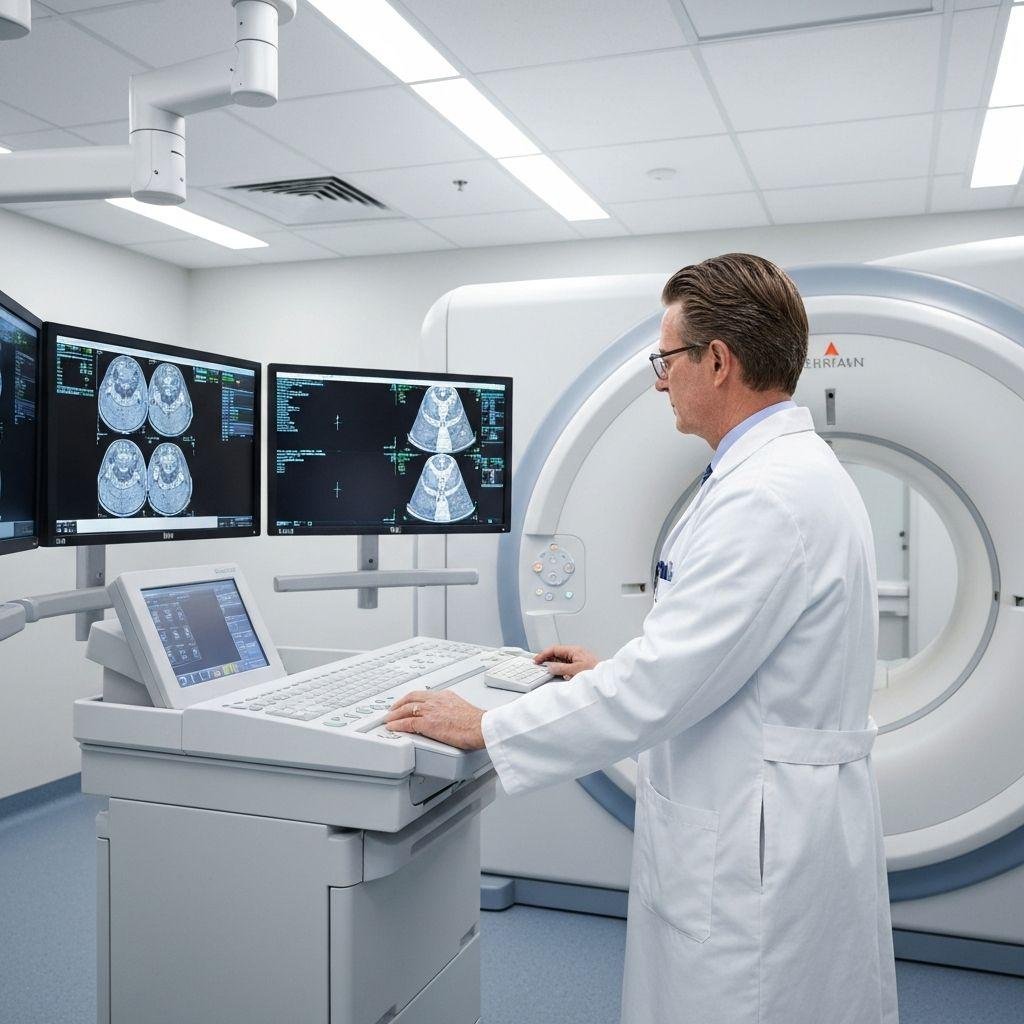
Medical technology refers to devices, software, equipment and technical methods used to prevent, diagnose, monitor and treat health conditions. It supports healthcare professionals and helps patients access services.
Examples of medical technology include:
- X-ray, MRI and CT scanners
- Digital blood pressure monitors
- Surgical equipment and robotic assistance systems
- Electronic health records
- Remote patient monitoring devices
- Medicine platforms
For example, a wearable monitor may collect health measurements, while a digital health platform can help a patient consult a healthcare professional remotely.
The World Health Organization’s Global Strategy on Digital Health highlights the importance of combining technology, people, organizations and resources to strengthen health systems.
Problem it solves: Healthcare providers need reliable information and suitable tools to make informed decisions. Medical technology can support earlier detection, more organized records and improved access to care. It does not replace professional medical judgment.
4. Educational Technology (EdTech)
Educational technology, often called EdTech, uses digital tools, devices and learning systems to support teaching, training and education.
Examples include:
- Online learning platforms
- Interactive whiteboards
- Educational apps
- Digital textbooks
- Virtual classrooms
- Learning management systems
- Educational simulations
A student can attend an online class from home, review recorded lessons or complete assignments through a learning platform. Teachers can use digital tools to share materials and track learning progress.
UNESCO explains that digital innovation can help expand educational opportunities and improve inclusion, while also recognize the importance of effective systems and access. See its guide to digital learning and technology in education.
Problem it solves: Traditional learning may be limited by distance, schedules or access to resources. Educational technology can make learning materials more accessible and support different teaching methods. It works best when combined with good teaching and reliable access.
5. Manufacturing and Industrial Technology
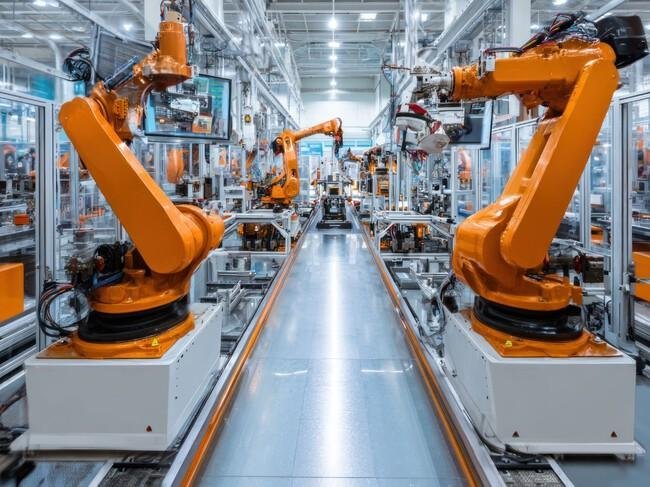
Manufacturing technology includes the machines, software and production systems used to design, assemble and manufacture products. Industrial technology also covers the systems that monitor and control processes in factories and other industrial environments.
Common examples include:
- Industrial robots
- Automated assembly lines
- Computer-aided design (CAD)
- Computer-aided manufacturing (CAM)
- 3D printing
- Programmable logic controllers
- Industrial sensors and monitoring systems
For example, a factory may use robotic arms for repetitive assembly tasks and sensors to monitor production equipment. Engineers can use CAD software to create and test product designs before manufacturing begins.
Problem it solves: Manual production can be slow, repetitive and difficult to scale. Automation and modern production tools can improve consistency, precision and efficiency when properly designed and maintained.
6. Agricultural Technology
Agricultural technology, also known as AgTech, applies engineering, digital systems and scientific methods to farming, livestock management and food production.
Examples include:
- GPS-guided tractors
- Smart irrigation systems
- Soil moisture sensors
- Agricultural drones
- Automated harvesting equipment
- Livestock monitoring devices
- Crop management software
A farmer can use soil sensors to understand when a field needs water. GPS-guided equipment can help manage field operations, while drones can capture images that support crop monitoring.
Problem it solves: Farmers face challenges such as changing weather, water limitations, pests and rising production costs. Agricultural technology can help monitor conditions and use resources more carefully. Results depend on local conditions, affordability and proper implementation.
7. Transportation and Mobility Technology
Transportation technology includes the vehicles, infrastructure and digital systems used to move people and goods. It covers road, rail, air and maritime transport.
Examples include:
- Electric vehicles
- GPS navigation systems
- Traffic management systems
- Railway signaling
- Aircraft navigation equipment
- Fleet tracking software
- Automated warehouse and logistics systems
For example, a delivery company can use fleet tracking to monitor vehicle locations and plan routes. Public transport operators can use digital systems to provide arrival information and manage services.
Problem it solves: Traffic congestion, inefficient routes and poor coordination can waste time and resources. Modern transportation systems help improve planning, visibility and operational efficiency.
8. Energy Technology
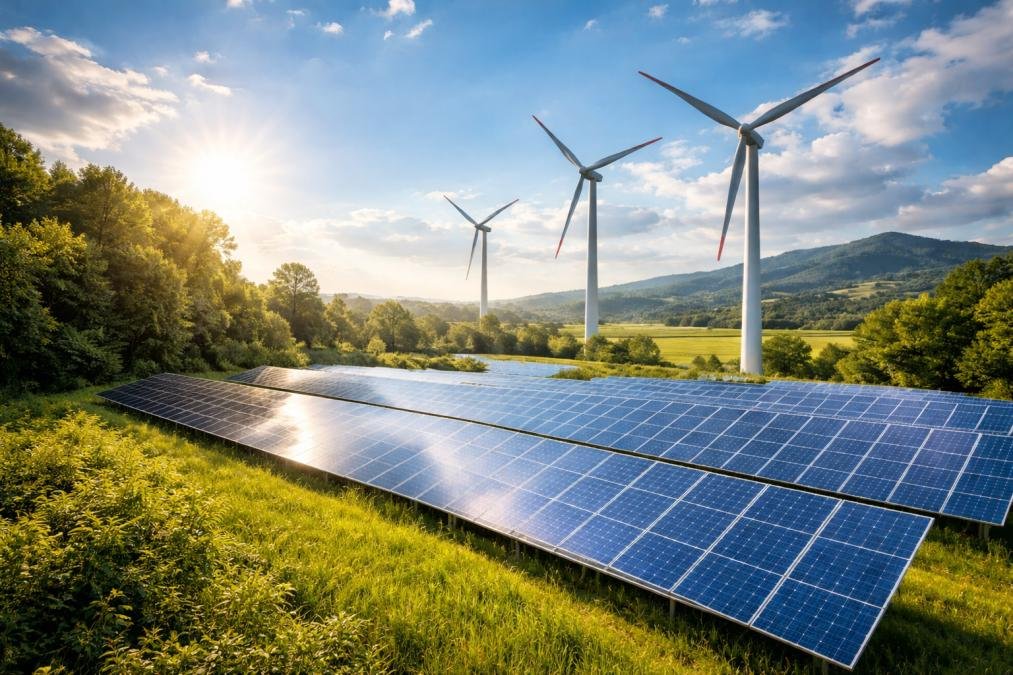
Energy technology covers the equipment and systems used to generate, convert, store and distribute energy. It includes conventional energy systems as well as renewable energy solutions.
Examples include:
- Solar panels
- Wind turbines
- Hydroelectric systems
- Battery storage
- Smart electricity meters
- Power distribution equipment
- Energy management systems
Solar panels convert sunlight into electricity, while batteries can store energy for later use. Smart meters help measure electricity consumption and provide useful information about energy use.
Problem it solves: Homes, businesses and industries need dependable power. Energy technology supports electricity generation, storage and distribution, while renewable solutions can help diversify energy sources.
9. Environmental Technology
Environmental technology, sometimes called clean technology or EnviroTech, uses scientific and technical solutions to monitor, prevent or reduce environmental problems.
Examples include:
- Water purification systems
- Wastewater treatment equipment
- Air quality monitoring sensors
- Recycling and waste management systems
- Pollution control equipment
- Environmental monitoring satellites
- Energy-efficient building systems
For example, water treatment technology removes contaminants from water, while air quality sensors help identify pollution levels in a particular area.
Problem it solves: Pollution, waste and inefficient resource use can damage ecosystems and affect communities. Environmental technology helps measure these problems and supports practical solutions.
10. Construction Technology
Construction technology includes the tools, equipment, materials and digital systems used to plan, design, build and maintain structures.
Examples include:
- Building Information Modeling (BIM)
- Construction management software
- 3D printing in construction
- Drones for site surveys
- Smart building systems
- Advanced construction machinery
- Prefabricated building components
BIM allows project teams to work with a shared digital model of a building. Drones can capture site images, while construction management software helps coordinate schedules, resources and project information.
Problem it solves: Construction projects involve many teams, materials and deadlines. Digital planning and monitoring tools can improve coordination and help identify problems earlier.
11. Financial Technology (FinTech)
Financial technology refers to digital products and systems that improve the delivery and management of financial services. It is used by banks, businesses, payment providers and consumers.
Examples include:
- Mobile banking applications
- Digital payment systems
- Online money transfers
- Contactless payment terminals
- Financial management software
- Digital invoicing platforms
- Fraud detection systems
A customer can pay a bill through a mobile application, while a business can use digital invoicing tools to manage payments and track transactions.
Problem it solves: Traditional financial processes can involve paperwork, delays and limited access. FinTech can make many services more convenient, although security, privacy and regulatory compliance remain essential.
12. Assistive Technology
Assistive technology includes devices, software and equipment designed to support people with disabilities or functional limitations. Its purpose is to improve accessibility, independence and participation in everyday activities.
Examples include:
- Screen readers
- Hearing aids
- Braille displays
- Speech-to-text software
- Mobility aids
- Alternative keyboards
- Communication devices
For example, a screen reader converts on-screen text into speech, allowing a person with visual impairment to access digital content. Speech recognition can help someone interact with a computer without using a conventional keyboard.
Problem it solves: Everyday environments and digital services are not always accessible to everyone. Assistive technology can reduce barriers and make education, communication and work more inclusive.
Are AI, Robotics and the Internet of Things Separate Kinds of Technology?
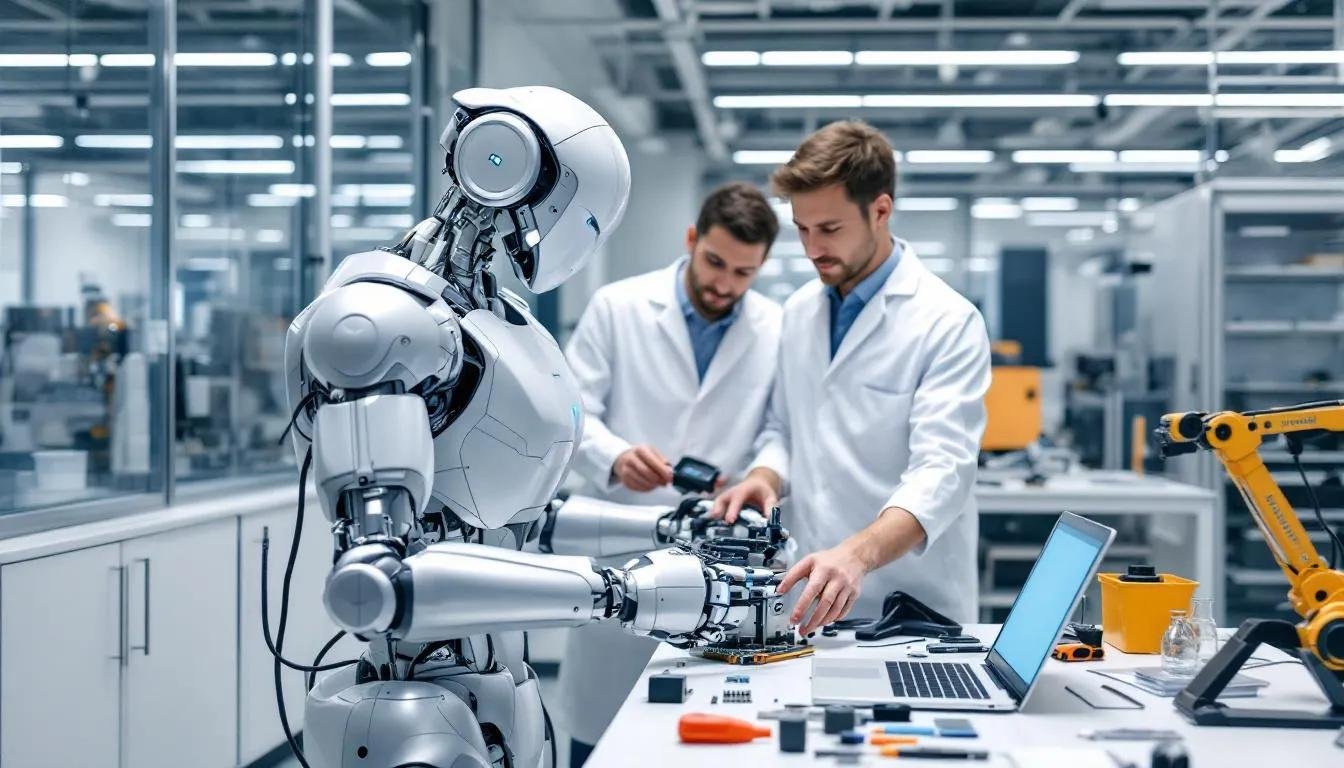
Artificial intelligence (AI), robotics and the Internet of Things (IoT) are important technology fields, but they do not always fit into only one category. They often operate across several areas.
- Artificial intelligence: Enables computer systems to perform tasks such as recognize patterns, analyzing information and generating responses. It is used in healthcare, finance, manufacturing and education.
- Robotics: Combines mechanical systems, electronics, sensors and software to perform physical tasks. Robots are used in factories, hospitals, warehouses and research.
- Internet of Things (IoT): Connects physical devices to networks so they can collect and exchange data. Examples include smart home devices, industrial sensors and connected vehicles.
- Cloud computing: Provides computing resources and services over a network. It supports business software, data storage, collaboration and digital services.
- Security: Protects devices, networks, software and information from digital threats. It is an essential layer across almost every technology category.
For example, a smart agricultural system may combine IoT sensors, cloud computing and AI to monitor soil conditions and help farmers make decisions. This is why modern technologies are often interconnected rather than isolated.
What Is the Difference Between Traditional and Modern Technology?
Traditional technology generally refers to older tools and methods developed before many modern digital systems became widespread. Modern technology often uses electronics, software, connectivity, automation and advanced materials.
| Area | Traditional approach | Modern approach |
|---|---|---|
| Communication | Letters and landline phones | Messaging apps and video calls |
| Education | Printed books and classroom boards | Online learning and digital resources |
| Farming | Manual field monitoring | Sensors, GPS and smart irrigation |
| Manufacturing | Mainly manual production | Robotics and automated systems |
| Banking | Paper-based transactions | Mobile banking and digital payments |
| Healthcare | Paper records and basic equipment | Electronic records and advanced diagnostics |
Traditional technology is not automatically outdated or ineffective. In many situations, simple tools remain affordable, reliable and appropriate. The best choice depends on the task, available resources and user needs.
How Do You Choose the Right Type of Technology?
Choosing technology should begin with a problem, not with the latest product or trend. A useful solution should fit the people who will use it, the environment in which it will operate and the resources available.
Consider these steps:
- Identify the problem: Be specific about what needs to improve. For example, is the challenge slow communication, manual record keeping or high energy consumption?
- Choose the relevant category: A business struggling with information management may need IT, while a farm looking to monitor water use may benefit from agricultural technology.
- Compare practical options: Review functionality, cost, reliability, compatibility and ease of use.
- Check security and privacy: Understand what data the system collects, who can access it and how it is protected.
- Consider training and maintenance: A tool is only useful when people can operate it and the organization can support it.
- Measure the results: Check whether the technology actually saves time, reduces errors, improves access or solves the original problem.
For businesses exploring digital innovation, it is also worth understanding how AI and innovation are shaping the future of business.
What Are the Benefits and Challenges of Different Technologies?
Traditional technology generally refers to older tools and methods developed before many modern digital systems became widespread. Modern technology often uses electronics, software, connectivity, automation and advanced materials.
| Area | Traditional approach | Modern approach |
|---|---|---|
| Communication | Letters and landline phones | Messaging apps and video calls |
| Education | Printed books and classroom boards | Online learning and digital resources |
| Farming | Manual field monitoring | Sensors, GPS and smart irrigation |
| Manufacturing | Mainly manual production | Robotics and automated systems |
| Banking | Paper-based transactions | Mobile banking and digital payments |
| Healthcare | Paper records and basic equipment | Electronic records and advanced diagnostics |
Traditional technology is not automatically outdated or ineffective. In many situations, simple tools remain affordable, reliable and appropriate. The best choice depends on the task, available resources and user needs.
What Is the Future of Technology?
The future of technology will involve more connected systems, smarter automation and new ways of solving problems. Artificial intelligence, advanced robotics, biotechnology, quantum computing, clean energy and immersive digital experiences are areas of continuing development.
However, progress is not only about creating more advanced devices. Responsible innovation also requires attention to security, privacy, accessibility, reliability, affordability and environmental impact.
For individuals and businesses, the most useful approach is to understand the problem first and adopt technology that delivers measurable value. The right solution is not necessarily the newest one; it is the one that works safely and effectively for its intended purpose.
Frequently Asked Questions About the Kinds of Technology
1. What are the 12 main kinds of technology?
The 12 broad categories discussed in this guide are information technology, communication technology, medical technology, educational technology, manufacturing technology, agricultural technology, transportation technology, energy technology, environmental technology, construction technology, financial technology and assistive technology. These categories are based on their main purposes and applications.
2. What are the four basic types of technology?
There is no universal four-category classification used across all industries. Some educational frameworks group technology into categories such as information, communication, construction and manufacturing. Other classifications use different groupings based on purpose, application or industry.
3. What is the most common type of technology?
Information and communication technologies are among the most widely encountered types because computers, smartphones, networks and online services are used across homes, schools, businesses and public services. However, the most common type depends on the population and setting being considered.
4. Is a smartphone an example of information or communication technology?
A smartphone can be both. It processes and stores information, making it an information technology device, and it connects people through calls, messages and internet services, making it communication technology as well. Its classification depends on the function being discussed.
5. What are examples of modern technology?
Examples include artificial intelligence, cloud computing, smartphones, electric vehicles, robotics, 3D printing, smart sensors, digital health platforms and renewable energy systems. These technologies are used in different combinations across modern industries.
6. What is the difference between IT and ICT?
Information technology (IT) focuses on computer systems, software, data storage and processing. Information and communication technology (ICT) is a broader term that also emphasizes communication systems and the exchange of information, such as networks and telecommunications.
7. What type of technology is used in healthcare?
Healthcare uses medical devices, diagnostic imaging, electronic health records, medicine, wearable monitors, laboratory equipment and digital health systems. These tools support healthcare professionals in diagnosis, monitoring, treatment and administration.
8. Why are there different kinds of technology?
Different technologies are developed to solve different problems. A communication network connects people, a medical scanner supports diagnosis, and an irrigation system helps manage water in farming. Grouping technologies by purpose makes their uses easier to understand and compare.
9. Are AI and robotics types of technology?
Yes. AI and robotics are technology fields, but they can also be used across several broader categories. AI supports software and decision-making systems, while robotics combines mechanical and digital systems to perform physical tasks.
10. How does technology affect everyday life?
Technology affects everyday life through communication, transportation, education, healthcare, shopping, banking, entertainment and access to information. Its impact depends on how it is designed, accessed and used.
Conclusion
The kinds of technology range from information systems and communication networks to healthcare devices, agricultural tools, industrial automation and clean energy solutions. Each category serves a different purpose, but many modern applications combine several technologies to solve more complex problems.
Understanding these categories helps individuals make informed choices and helps businesses identify practical solutions. Rather than adopting technology simply because it is new, focus on the problem it solves, the value it provides and whether it can be used safely and effectively.