
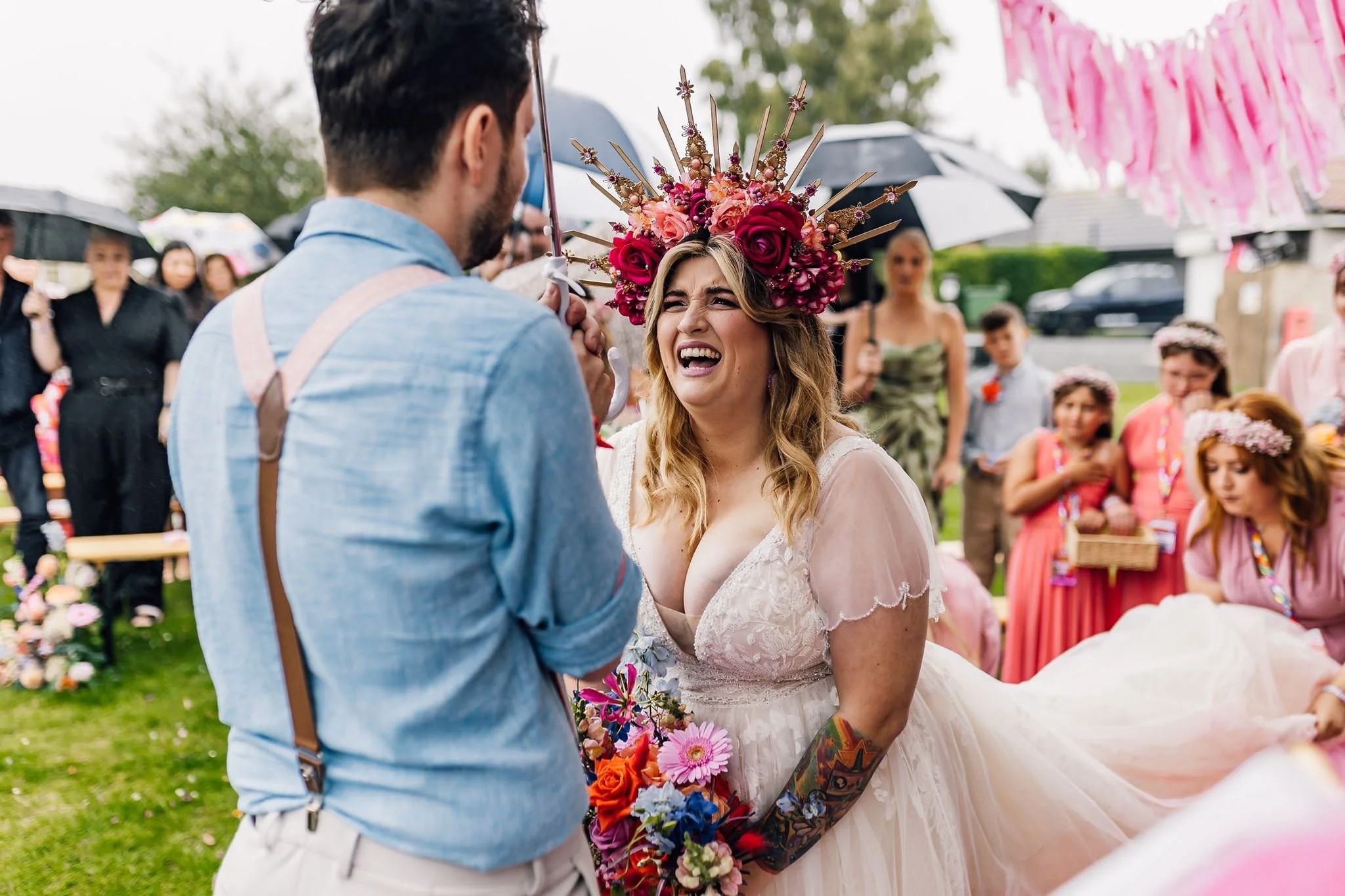

Alternative wedding ideas are not just about unusual decorations, dramatic outfits or choosing a venue nobody has heard of. They’re about planning a celebration that reflects your relationship, your personal style and the things you genuinely enjoy. You can keep the traditions that matter, leave out the ones that don’t and still create a wedding your guests will remember.
The difficulty is knowing where to begin.
Perhaps you like the idea of a colorful wedding but aren’t sure how to bring everything together. Maybe you want to wear something other than a traditional white dress, or you’re worried that an unconventional celebration will cost more than a standard wedding.
These are practical decisions, not reasons to abandon the idea. A personal wedding can be beautiful, relaxed and manageable when you make the important choices early.
What Makes a Wedding Alternative?
An alternative wedding is simply a celebration that doesn’t feel restricted by conventional wedding expectations.
For one couple, that might mean a gothic ceremony, black wedding outfits and a dramatic reception. Another couple might prefer a small garden gathering, colorful flowers and a relaxed meal with close friends. Some choose an elopement, while others invite a large group and turn the reception into a lively party.
There is no single look that defines an alternative wedding.
The common thread is personal choice. Instead of following a familiar wedding formula, couples decide which elements suit them and build the day around those decisions.
That could involve changing the ceremony format, choosing an unexpected venue, creating your own decorations or simply wearing clothes you feel comfortable in.
How Do You Choose a Wedding Style That Reflects Your Personality?
Start with the things you already enjoy rather than searching for a wedding theme immediately.
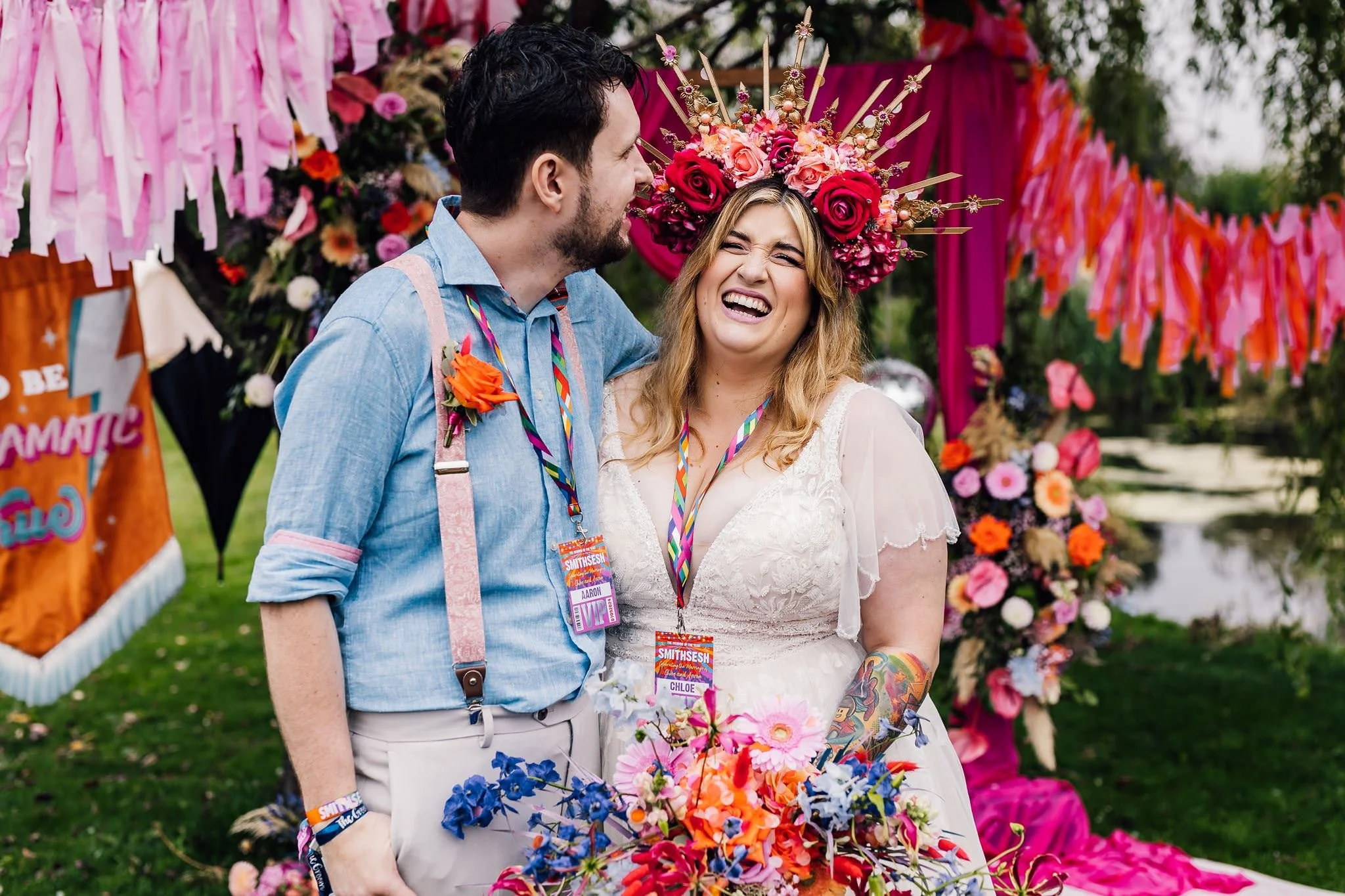
Think about the clothes you wear, the music you listen to, the places you visit and the kind of gatherings you enjoy. If you both love vintage clothing, independent music or colorful artwork, those interests might give you a natural starting point.
It doesn’t mean every part of the wedding needs to follow one theme.
A couple who enjoy rock music might choose a live band and a relaxed reception without turning the venue into a concert stage. Someone who loves vintage fashion might wear a second-hand outfit and use antique decorations without making every table look like a period film.
Try collecting a few photographs, colors and details that appeal to you. After a while, look for the similarities. You may notice that you prefer bold colors, unusual textures, relaxed spaces or a particular type of fashion.
That is a more useful starting point than trying to recreate somebody Elsie’s wedding.
Do You Have to Follow Traditional Wedding Rules?
No. Wedding traditions are choices, not a complete list of requirements.
Some couples enjoy the familiar ceremony and reception format. Others prefer to change the order of events, skip certain activities or introduce something more personal.
You might replace a formal first dance with a song that means something to you both. You could invite guests to write messages instead of organising a traditional guest book. If a large formal dinner doesn’t suit your plans, a relaxed meal or informal food stations may work better.
There is also no rule that says every wedding needs the same dress code, color palette or entertainment.
The useful question is whether a tradition adds something meaningful to your day. If it does, keep it. If it feels like another task you’re completing for other people, consider leaving it out.
For more inspiration, Rock n Roll Bride features alternative wedding celebrations, distinctive fashion and couples who have chosen to do things their own way. Its wedding planning advice is also worth exploring when you’re looking for practical ideas.
What Should You Wear to an Alternative Wedding?
Your wedding outfit doesn’t have to come from a traditional bridal collection.
A wedding dress can be colorful, short, vintage-inspired or completely unconventional. Some brides choose tailored suits, jumpsuits or separates. Grooms can experiment with patterned jackets, different colors and accessories rather than automatically choosing a standard black suit.
The best place to start is your existing wardrobe.
Look at the outfits you already feel comfortable wearing. Do you prefer fitted clothes, relaxed tailoring, dramatic shapes or simple designs? Are you usually drawn to dark colors, bright shades or neutral tones?
These preferences can help narrow down your options.
It’s also worth thinking about practical details. You’ll be wearing the outfit for several hours, so consider how easily you can walk, sit, eat and dance in it. If you’re buying new shoes, wear them around the house before the wedding rather than discovering they’re uncomfortable halfway through the reception.
You can find more ideas in Rock n Roll Bride’s article on building a wedding outfit around what you actually like to wear.
How Can You Make an Alternative Wedding Look Cohesive?
Unusual ideas can work beautifully together, but too many competing details can make a celebration feel disorganized.
You don’t need a strict theme. You do need a few decisions that help everything sit comfortably together.
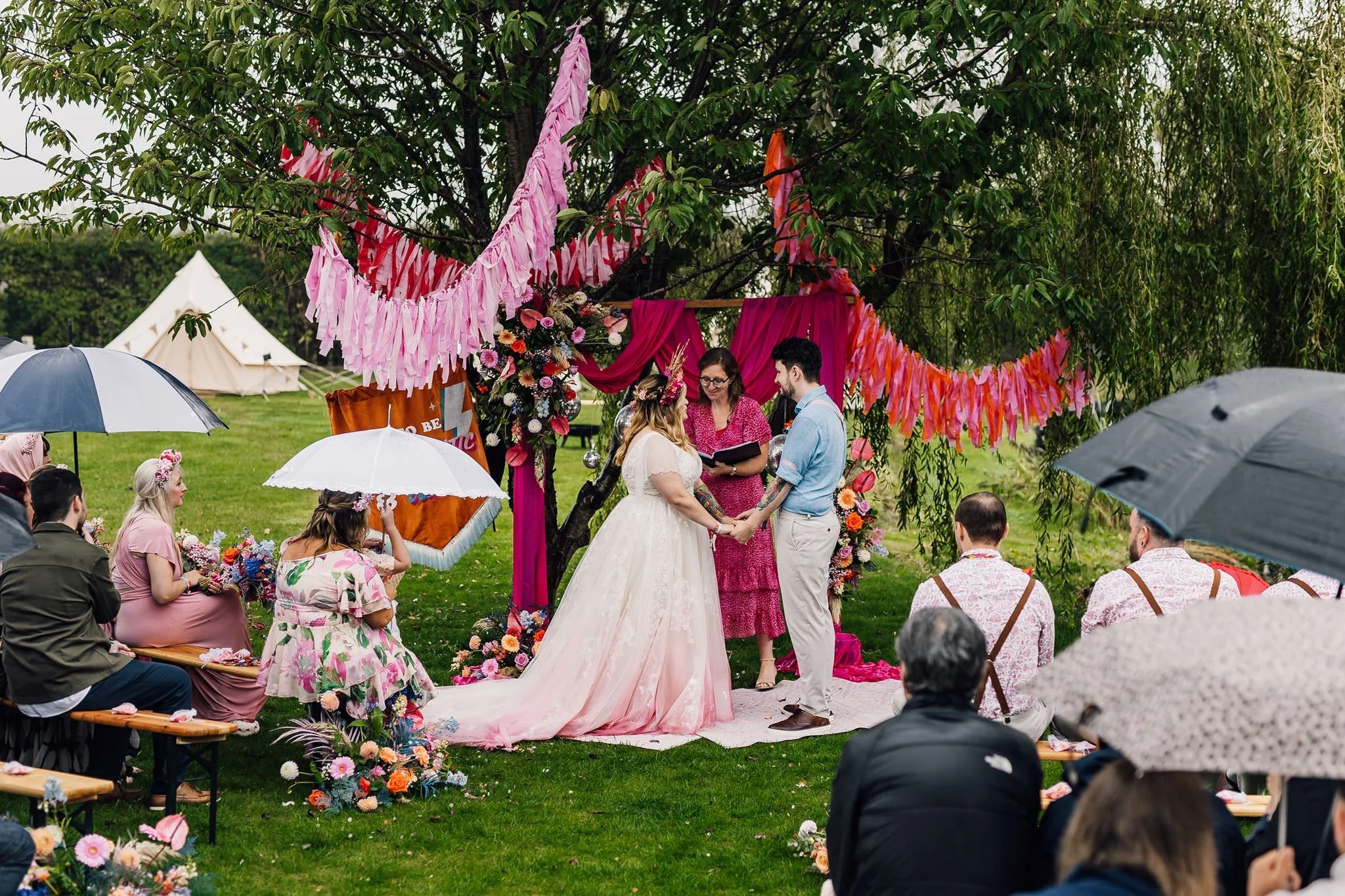
Start with two or three visual elements. These might be a color combination, a particular flower, a type of lighting or a decorative material. Use them in a few places rather than trying to include every idea you’ve saved online.
For example, a relaxed vintage-inspired wedding might use warm lighting, mismatched tableware and seasonal flowers. A more dramatic celebration could combine darker colors, statement arrangements and simple table settings.
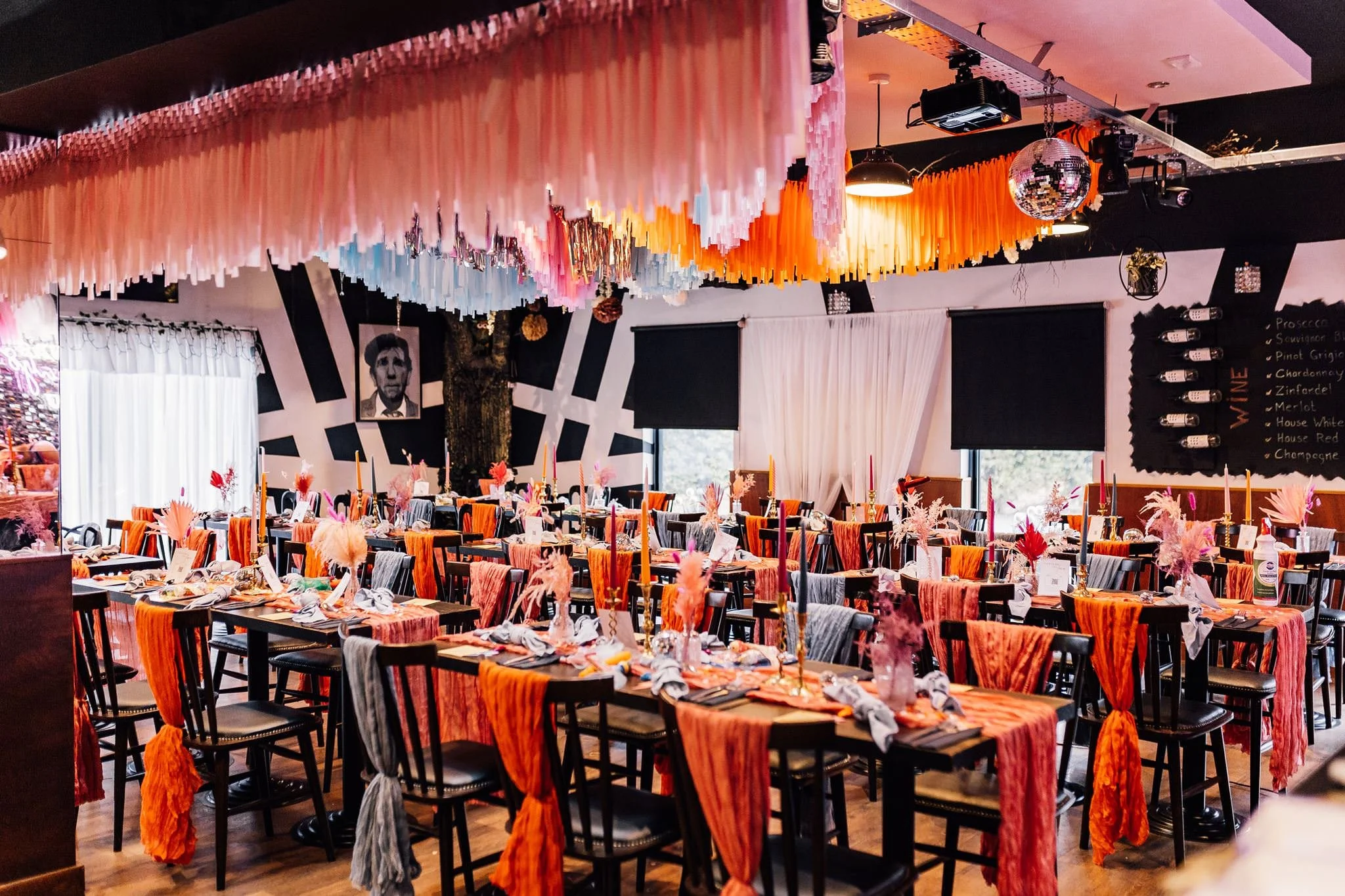
Think about the venue as well. Decorations that look wonderful in a large industrial space may feel overwhelming in a small restaurant. Before buying anything, check the existing colors, furniture, lighting and layout.
A little restraint often makes unusual details stand out more clearly.
Can You Plan an Alternative Wedding on a Budget?
Yes. An alternative wedding doesn’t automatically need an expensive venue or elaborate styling.
The first step is deciding how much you can comfortably spend. Work out your available budget before booking suppliers, then identify the three or four things that matter most to you.
Perhaps photography, food and music are your priorities. You might decide that elaborate table decorations, wedding favours and a large floral installation aren’t worth the additional expense.
Guest numbers also make a considerable difference. Every additional person can affect catering, seating, transport and venue requirements. If you’re struggling to make the numbers work, a smaller guest list might allow you to spend more on the parts of the day you care about.
DIY can help, but it isn’t always cheaper. Materials, tools, storage and the time needed to make decorations can add up. Before starting a project, calculate its full cost and decide who will set everything up on the wedding day.
When comparing venues, ask what the price includes. Tables, chairs, lighting, cleaning, catering facilities and staffing can turn an apparently affordable space into a more expensive option.
Which Venue Is Best for a Non-Traditional Wedding?
The best venue depends on the atmosphere you want and the practical needs of your celebration.
A traditional wedding venue may offer convenience, furniture and experienced staff. However, it isn’t the only option. Restaurants, gardens, converted buildings, private properties and smaller event spaces can all work, depending on local regulations and availability.
Before making a decision, consider the following:
- Guest capacity: Can everyone sit comfortably, with enough space for the ceremony, dining and entertainment?
- Supplier restrictions: Can you bring your own caterer, florist, photographer or DJ?
- Facilities: Are toilets, electricity, catering areas and accessible facilities available?
- Transport: Can guests reach the venue easily, and is there enough parking?
- Weather: If the event is outdoors, what happens if it rains or becomes too hot?
- Timing: Are there restrictions on music, decorations, setup or how late the celebration can continue?
Visit the venue with your plans in mind. A space might look perfect in photographs but still create problems when you start arranging tables, equipment and guest movement.
How Can You Make Guests Feel Comfortable at an Unconventional Wedding?
A wedding can be unconventional without making guests feel uncertain about what to expect.
Clear communication makes a difference. Tell people whether the event is outdoors, whether there is a particular dress code and whether they should expect a formal meal or a more relaxed celebration.
If you’re choosing an unusual location, provide directions and practical transport information. Guests should not have to guess where to park or how to find the ceremony.
Consider accessibility as well. Make sure people who need step-free access, seating or other assistance can enjoy the event comfortably.
If the celebration includes unusual activities, explain them briefly rather than assuming everyone will understand. You can introduce a different ceremony format or a new reception activity without making guests feel they have missed an instruction.
The goal is to create an experience that feels personal to you while still welcoming the people you’ve invited.
How Do You Keep Wedding Planning From Becoming Overwhelming?
A wedding can involve dozens of decisions, and unconventional plans sometimes require additional research because suppliers may be less familiar with your ideas.
The easiest way to manage this is to separate essential decisions from optional details.
Start with the date, venue, guest numbers and budget. Once those are clear, move on to suppliers, outfits, food, photography and entertainment. Keep a shared list of tasks and record who is responsible for each one.
It’s also worth creating a folder for contracts, invoices, booking confirmations and supplier information. Keeping everything in one place makes it easier to check what has been agreed and what still needs attention.
When speaking to suppliers, explain your plans clearly. Share photographs or references if you have them, and ask whether they’ve worked on similar events before. A good supplier should be willing to discuss practical solutions rather than simply telling you to choose a standard package.
Most importantly, don’t turn every evening into a wedding-planning session. Set aside specific times to make decisions, then give yourselves a break.
Should You Follow Wedding Trends or Do Your Own Thing?
Wedding trends can be a useful source of inspiration, but they shouldn’t become a list of things you feel obliged to buy.
A particular flower arrangement, color combination or outfit may look wonderful online. That doesn’t mean it will suit your venue, budget or personal taste.
Save ideas that genuinely appeal to you, then ask whether they make sense for your celebration. Consider whether you would still want them if you hadn’t seen them on social media.
This is particularly important when planning decorations and DIY projects. A trend can look simple in a photograph while requiring hours of preparation, specialist materials or additional supplier costs.
You don’t need to reject every popular idea. If something makes you happy and works within your plans, there’s no reason not to include it.
The difference is choosing it because you like it, rather than because everyone else seems to be doing it.
What Are the Most Important Things to Remember When Planning an Alternative Wedding?
An alternative wedding doesn’t need to be complicated to feel different. A few thoughtful decisions can have more impact than a long list of expensive details.
Choose a style that feels natural to you. Keep the traditions you genuinely enjoy, make a realistic budget and select a venue that supports your plans. Think about your guests’ comfort, communicate clearly with suppliers and leave enough time to enjoy the process.
You may end up with a colorful celebration, a quiet outdoor ceremony, a vintage-inspired reception or something that doesn’t fit neatly into any category.
That’s the point.
Your wedding doesn’t have to look like somebody Elsie’s idea of a perfect day. It just needs to feel like a celebration you both recognise as your own.