
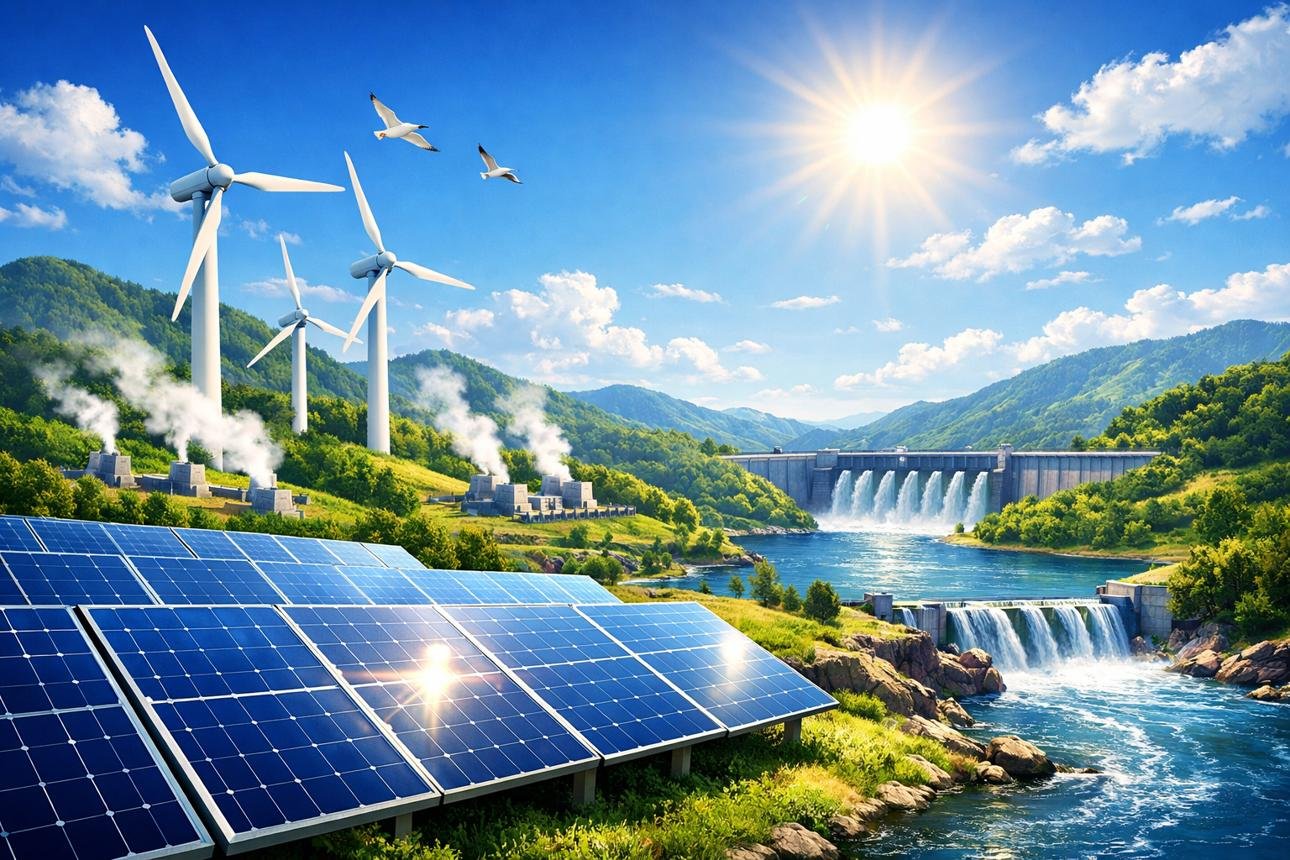

What Is Energy and Power Technology? Types, Uses, and Benefits
Energy powers almost everything we do. From lighting homes and running factories to charging electric vehicles and operating digital devices, modern life depends on reliable energy systems.
But where does this energy come from, how is it converted into electricity, and what technologies make it available when and where we need it?
Energy and power technology refers to the equipment, systems, and methods used to produce, convert, store, distribute, and manage energy. It includes conventional power plants, renewable energy systems, electricity grids, batteries, smart energy management, and technologies that improve efficiency.
Understanding what energy and power technology means helps individuals and businesses make better decisions about electricity, energy costs, reliability, and environmental impact.
In this guide, we explore the main types of energy technology, how power systems work, their real-world applications, and the innovations shaping the future of energy.
What Is Energy and Power Technology?
Energy and power technology is the broad field of technology used to generate useful energy, convert it into different forms, deliver it to consumers, and manage how it is used.
It covers several connected areas:
- Energy generation: Producing electricity or useful heat from sources such as sunlight, wind, water, natural gas, and nuclear fuel.
- Energy conversion: Transforming one form of energy into another, such as converting sunlight into electricity through solar panels.
- Energy storage: Keeping energy available for later use through batteries, pumped hydro, or thermal storage.
- Energy transmission and distribution: Moving electricity from power stations to homes, businesses, and industrial facilities.
- Energy management: Monitoring and controlling energy consumption to improve efficiency and reduce waste.
For example, a solar power system uses photovoltaic panels to convert sunlight into electricity. An inverter converts the electricity into a form suitable for household use, while a battery can store excess energy for later.
Together, these technologies make modern energy systems possible.
What Is the Difference Between Energy and Power?
Energy and power are closely related, but they do not mean the same thing.
Energy measures how much work can be done, while power measures how quickly energy is transferred or used.
For example, a battery may store 10 kilowatt-hours (kWh) of energy. If it supplies electricity at a rate of 2 kilowatts (kW), it could theoretically deliver that power for five hours, ignoring losses and operating limits.
| Term | Meaning | Common unit | Energy | Amount of energy produced, stored, or consumed | Joule (J), kWh | Power | Rate of energy transfer or use | Watt (W), kW, MW | Energy capacity | How much energy a storage system can hold | kWh, MWh | Power capacity | Maximum rate at which a system can supply or consume energy | kW, MW |
|---|
This distinction matters when comparing solar panels, generators, batteries, and electricity bills. A system with high energy capacity does not necessarily have a high power output.
What Are the Main Types of Energy and Power Technology?
Energy and power technology includes several major categories. Each serves a different purpose, from generating electricity to delivering it safely and efficiently.
1. Conventional Energy Technology
Conventional energy technologies use established energy sources to produce electricity or heat. Common examples include:
- Coal-fired power plants: Burn coal to produce heat, which creates steam to drive turbines.
- Natural gas power plants: Use gas turbines or combined-cycle systems to generate electricity.
- Oil and diesel generators: Convert fuel energy into mechanical energy and then electricity.
- Nuclear power plants: Use heat from nuclear reactions to produce steam and drive turbines.
These technologies can provide large-scale and controllable energy output. However, fossil-fuel systems produce greenhouse gas emissions and can contribute to air pollution. Nuclear power has different environmental considerations, including radioactive waste management and plant safety.
2. Renewable Energy Technology
Renewable energy technology uses naturally replenished resources to generate electricity or heat.
Major types include:
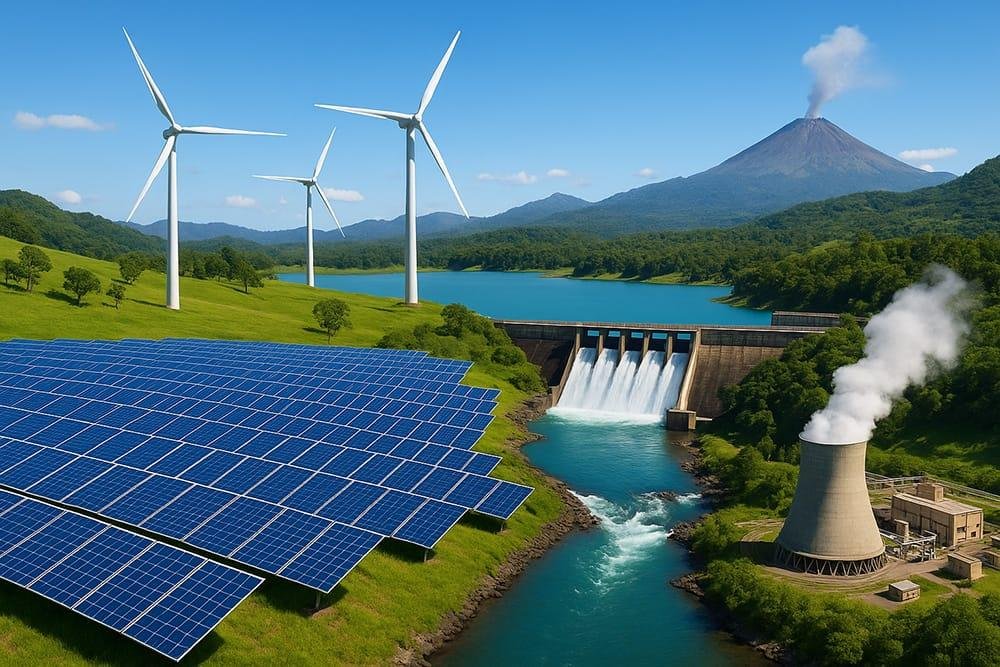
- Solar energy: Photovoltaic panels convert sunlight into electricity, while solar thermal systems capture heat.
- Wind energy: Wind turbines convert the movement of air into electrical power.
- Hydropower: Moving water drives turbines connected to generators.
- Geothermal energy: Uses heat from beneath the Earth’s surface for electricity generation or direct heating.
- Biomass energy: Uses organic materials to produce heat, electricity, or biofuels.
- Marine energy: Uses waves, tides, or ocean currents to generate power.
Renewable energy can reduce dependence on fossil fuels, but different technologies have different costs, location requirements, environmental effects, and reliability characteristics.
3. Electrical Power Generation Technology
Electricity generation technology converts energy from primary sources into electrical energy.
A typical power generation system contains a source of energy, a conversion mechanism, and electrical equipment that delivers the output.
For example:
- A wind turbine uses moving air to rotate its blades.
- A generator converts rotational mechanical energy into electricity.
- Transformers adjust voltage for transmission.
- Grid equipment helps deliver electricity to consumers.
Electricity can be generated through renewable and non-renewable sources. The best option depends on local resources, costs, grid requirements, environmental considerations, and energy demand.
4. Thermal Energy Technology
Thermal energy technology focuses on producing, transferring, storing, and using heat.
It is important in residential heating, manufacturing, food processing, electricity generation, and industrial operations.
Examples include:
- Industrial boilers
- Heat pumps
- Solar thermal collectors
- Geothermal heating systems
- Combined heat and power systems
- Thermal energy storage
Thermal storage systems can store heat in materials such as water, molten salts, or other suitable substances. The stored heat can then be used when demand increases or energy production is lower.
5. Energy Storage Technology
Energy storage systems help balance energy supply and demand by keeping energy available for future use.
Common energy storage technologies include:
- Lithium-ion batteries
- Lead-acid batteries
- Flow batteries
- Pumped-storage hydropower
- Compressed-air energy storage
- Thermal energy storage
- Flywheel systems
For example, a solar-powered building may generate more electricity during the day than it immediately needs. A battery system can store some of that electricity and supply it in the evening.
Storage is particularly useful for managing variable renewable generation, supporting grid reliability, and improving energy flexibility.
6. Smart Grid and Power Distribution Technology
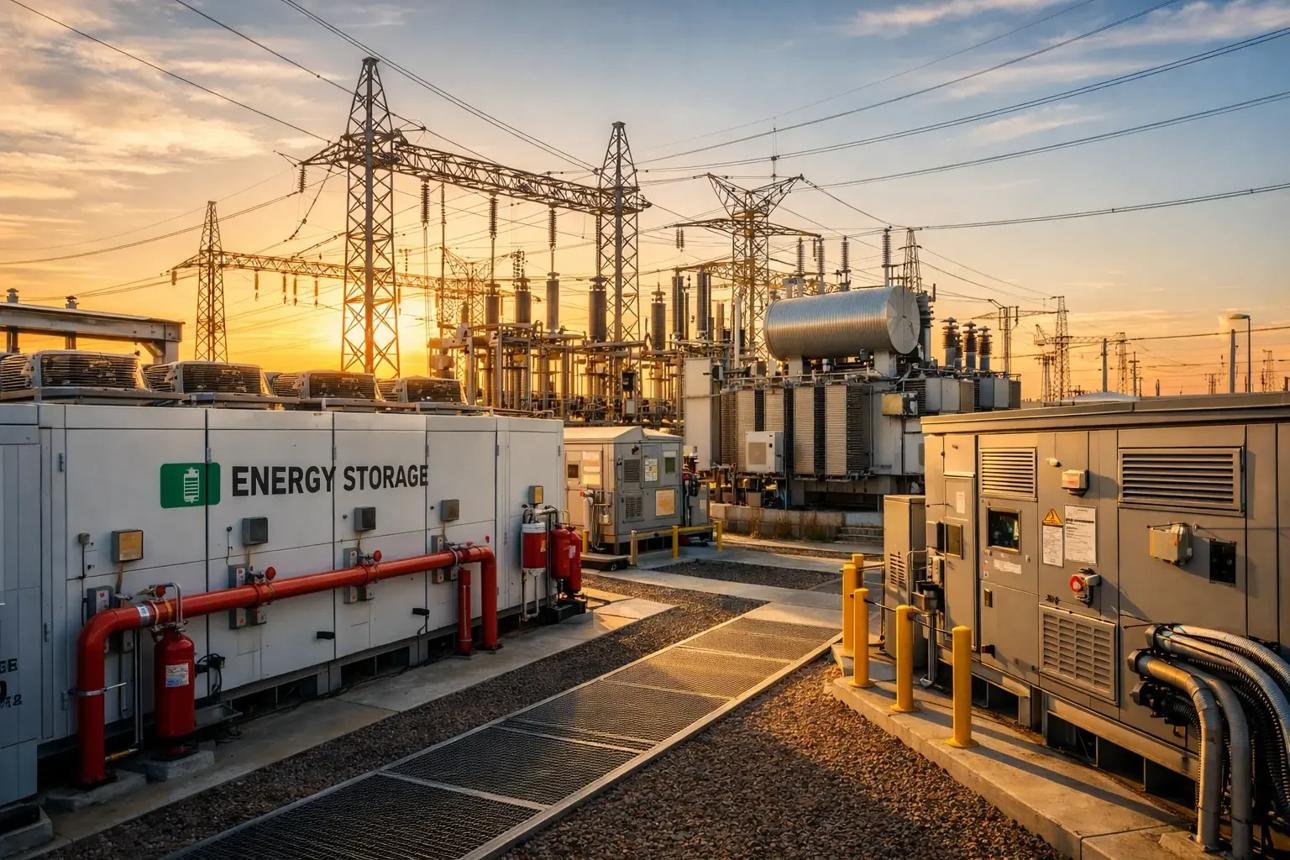
A power grid is the network that moves electricity from generators to consumers.
Traditional grids mainly rely on established transmission and distribution infrastructure. Smart grid technology adds digital monitoring, communication, automation, and advanced control systems.
Examples include:
- Smart electricity meters
- Automated substations
- Grid sensors
- Smart inverters
- Demand-response systems
- Advanced distribution management systems
These technologies help grid operators monitor electricity flows, identify faults, manage demand, and integrate distributed energy resources such as rooftop solar and battery storage.
A smart grid does not eliminate power outages, but it can help operators detect and respond to certain problems more effectively.
7. Energy Efficiency and Management Technology
Energy efficiency technology helps homes and businesses achieve the same useful results while consuming less energy.
Examples include:
- LED lighting
- High-efficiency motors
- Smart thermostats
- Energy-efficient HVAC systems
- Building insulation
- Automated lighting controls
- Industrial energy monitoring systems
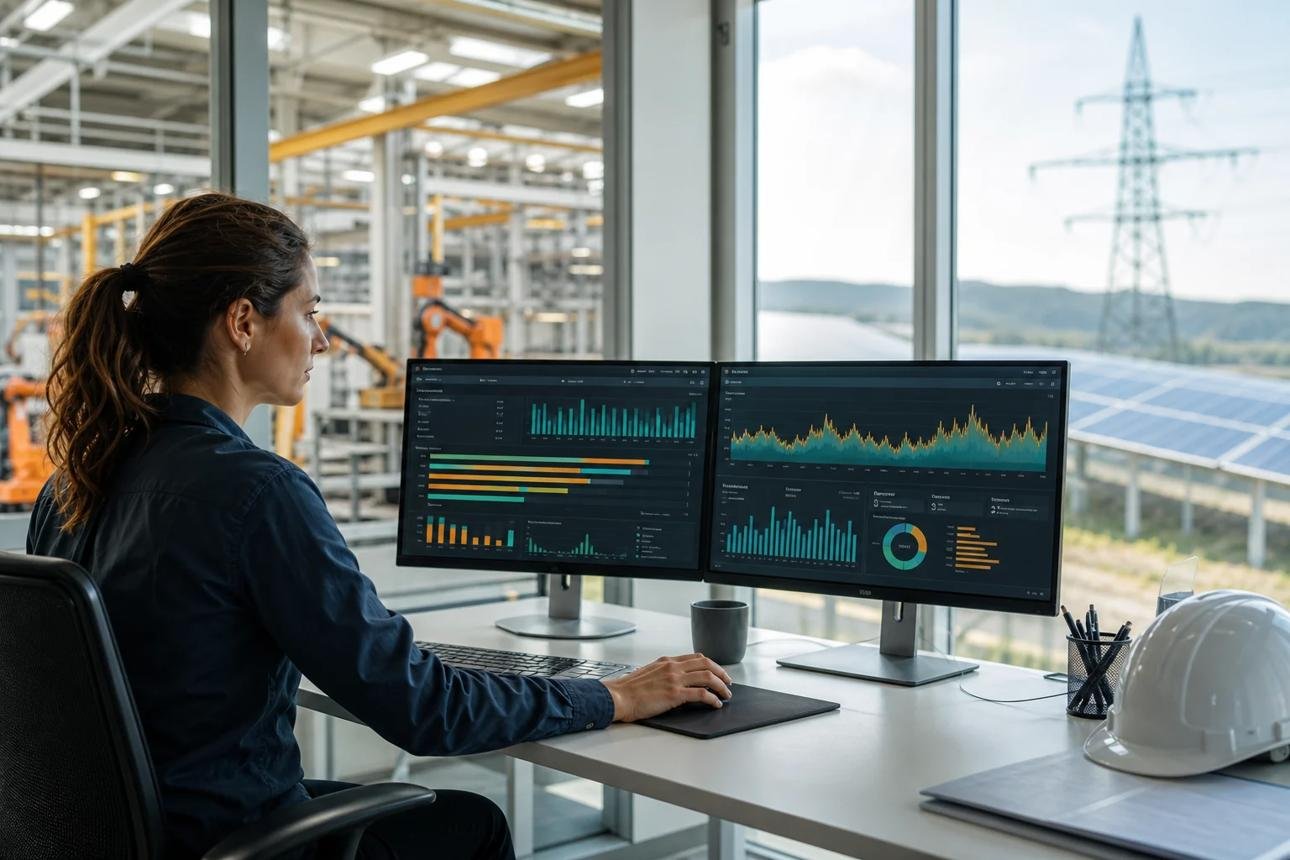
For businesses, energy management software can help identify equipment that consumes unusually high amounts of electricity.
An energy audit is often a practical first step. It helps identify where energy is being wasted and which improvements may deliver the greatest value.
8. Mobility and Transportation Energy Technology
Transportation technologies depend on different energy sources and power systems.
Traditional vehicles commonly use petrol, diesel, or aviation fuels. Newer transportation systems increasingly use electricity, hybrid powertrains, hydrogen fuel cells, and alternative fuels.
Examples include:
- Battery electric vehicles
- Hybrid electric vehicles
- Electric buses
- Charging infrastructure
- Hydrogen fuel-cell vehicles
- Electric railway systems
The transition to cleaner transportation requires more than electric vehicles. Charging stations, grid capacity, battery production, and electricity generation also play important roles.
How Does Energy and Power Technology Work?
Energy systems typically follow a connected process:
Energy source → Conversion → Storage or transmission → Distribution → End use
Here is how the process works in practice:
- Energy collection or extraction: A system obtains energy from sunlight, wind, water, fuel, or another source.
- Energy conversion: Equipment converts the source into a useful form, such as electricity or heat.
- Storage or transmission: Energy may be stored for later use or sent through a transmission network.
- Distribution: Electricity or heat is delivered to homes, offices, factories, or other facilities.
- Consumption and management: Equipment uses the energy, while control systems monitor and optimize consumption.
For example, a wind farm converts wind movement into electricity. Transformers and transmission lines carry the electricity through the grid, and distribution equipment delivers it to customers.
Not every energy system follows exactly the same process. Some produce heat directly, while others generate electricity close to where it is consumed.
Where Is Energy and Power Technology Used?
Energy and power technology is used across almost every major sector.
Residential Buildings
Homes use electricity and thermal energy for lighting, heating, cooling, cooking, appliances, and water heating.
Solar panels, batteries, smart meters, efficient appliances, and heat pumps can help households manage energy consumption.
Commercial Buildings
Offices, shops, hotels, and other commercial properties use energy for lighting, ventilation, heating, cooling, computers, and equipment.
Building management systems can monitor energy use and automate certain operations.
Manufacturing and Industry
Industrial facilities use electricity and heat to operate motors, pumps, compressors, furnaces, production lines, and specialized machinery.
Energy-efficient equipment and waste-heat recovery systems can improve operational efficiency.
Transportation
Electric vehicles, charging stations, electric trains, and alternative fuel systems are changing how people and goods move.
Agriculture
Energy technologies support irrigation pumps, greenhouse climate control, refrigeration, food processing, and automated farming equipment.
Data Centers and Digital Infrastructure
Data centers rely on continuous electricity to operate servers, networking equipment, cooling systems, and backup power infrastructure.
Efficient cooling, power management, and reliable backup systems are especially important in these facilities.
What Are the Benefits of Energy and Power Technology?
Modern energy technologies provide several important benefits.
1. Improved energy access: Generation and distribution systems help deliver electricity to homes, businesses, and communities.
2. Greater efficiency: Modern equipment can reduce energy losses and improve how electricity and heat are used.
3. Better energy reliability: Storage, monitoring, backup systems, and grid automation can help manage interruptions and changing demand.
4. Renewable energy integration: Solar, wind, hydro, and other renewable technologies provide alternatives to fossil-fuel-based energy.
5. Lower operating costs: Efficient equipment and well-managed energy consumption can reduce long-term operating expenses.
6. Industrial productivity: Reliable power supports machinery, manufacturing, automation, and digital operations.
7. Reduced emissions potential: Replacing high-emission energy sources with cleaner alternatives can reduce greenhouse gas emissions, depending on the full energy system.
The actual benefits depend on the technology, installation quality, location, maintenance, and how the system is operated.
What Challenges Affect Energy and Power Technology?
Although energy technology continues to improve, several challenges remain.
| Challenge | Why it matters | Possible solution |
|---|---|---|
| High installation costs | Some energy systems require significant upfront investment | Compare lifecycle costs, financing, and available incentives |
| Intermittent renewable generation | Solar and wind output can vary with weather and time | Combine diverse generation, storage, and flexible demand |
| Grid limitations | Existing networks may not support new demand or distributed generation | Invest in grid upgrades and smart controls |
| Energy storage limitations | Batteries have cost, lifetime, and material considerations | Evaluate different storage technologies and system requirements |
| Energy losses | Electricity and heat can be lost during conversion and delivery | Improve equipment, insulation, and system design |
| Maintenance requirements | Poor maintenance can reduce efficiency and reliability | Use preventive maintenance and monitoring |
| Environmental impact | Energy infrastructure can affect land, water, materials, and ecosystems | Conduct environmental assessments and responsible planning |
A successful energy project should consider the entire system—not just the cost of a solar panel, battery, generator, or other individual component.
How Can Businesses and Homeowners Choose the Right Energy Technology?
Choosing an energy solution requires more than selecting the newest equipment. The right system should match actual energy requirements, operating conditions, and budget.
Consider these practical steps:
- Understand your energy demand: Review electricity bills, peak usage, operating hours, and major equipment.
- Identify the main problem: Determine whether your priority is high energy costs, unreliable electricity, emissions, or insufficient capacity.
- Evaluate available energy sources: Consider local solar potential, wind resources, grid access, fuel availability, and other relevant conditions.
- Compare system capacity: Check both power output (kW) and energy capacity (kWh) where applicable.
- Calculate lifecycle costs: Include installation, maintenance, replacement, fuel, and operating costs.
- Check compatibility: Make sure the system works with existing electrical infrastructure and equipment.
- Plan for maintenance and safety: Use qualified professionals for system design, installation, inspection, and maintenance.
- Measure results: Monitor energy consumption and compare performance against your original goals.
For a small business, an energy audit may reveal that upgrading lighting, motors, or cooling systems provides better value than immediately investing in a large renewable energy installation.
For a home with frequent outages, the priority may be a properly sized backup system rather than simply installing more solar panels.
What Is the Future of Energy and Power Technology?
The future of energy and power technology will involve more connected, flexible, and efficient energy systems.
Several developments are particularly important:
- Advanced battery storage: New battery chemistries and improved manufacturing may expand storage options.
- Artificial intelligence in energy management: AI-based systems can help forecast demand, detect unusual patterns, and support operational decisions.
- Smart grids: Digital monitoring and automation can improve the management of increasingly complex electricity networks.
- Microgrids: Local energy systems can combine generation, storage, and loads to operate alongside or, in suitable designs, independently of the main grid.
- Green hydrogen: Hydrogen produced using low-emission processes may support selected industrial and transportation applications.
- Vehicle-to-grid technology: Compatible electric vehicles may provide electricity back to the grid or a building under suitable technical and regulatory arrangements.
- Carbon management: Carbon capture and other emissions-management technologies may play a role in certain hard-to-abate industries.
These developments are not equally mature or suitable for every location. Their adoption will depend on cost, infrastructure, regulation, technical performance, and environmental impact.
Frequently Asked Questions About Energy and Power Technology
1. What is energy and power technology in simple words?
Energy and power technology includes the systems and equipment used to produce, convert, store, deliver, and manage energy. Examples include solar panels, wind turbines, power plants, batteries, electricity grids, and energy-efficient appliances.
2. What is the difference between energy technology and power technology?
Energy technology covers the wider process of producing, converting, storing, and using energy in different forms. Power technology often focuses more specifically on generating, converting, controlling, and delivering electrical or mechanical power.
3. What are the main types of energy technology?
Major types include solar, wind, hydropower, geothermal, biomass, fossil-fuel generation, nuclear power, thermal energy systems, and energy storage technologies.
4. Is electricity the same as energy?
No. Electricity is a form of energy associated with electric charges. It is commonly used as an energy carrier because it can be converted into light, heat, motion, and other useful forms.
5. What is the difference between kW and kWh?
Kilowatt (kW) measures power, or the rate at which energy is used or supplied. Kilowatt-hour (kWh) measures an amount of energy. A 2 kW appliance running for three hours consumes 6 kWh, assuming constant power use.
6. What is renewable power technology?
Renewable power technology generates electricity from naturally replenished sources such as sunlight, wind, flowing water, and geothermal heat.
7. Why is energy storage important?
Energy storage makes energy available at a different time from when it was generated. It can help balance electricity supply and demand, support renewable energy integration, and provide backup power in suitable systems.
8. What is smart grid technology?
Smart grid technology uses digital communication, sensors, automation, and control systems to monitor and manage electricity networks more effectively.
9. How does energy technology help businesses?
It can help businesses monitor consumption, improve equipment efficiency, manage electricity costs, support reliable operations, and evaluate cleaner energy options.
10. What is the difference between conventional and renewable energy?
Conventional energy systems commonly use fossil fuels or nuclear energy, while renewable systems use naturally replenished sources such as sunlight, wind, and water. Their costs, emissions, availability, and operating characteristics differ.
11. Can renewable energy provide reliable electricity?
Yes, renewable energy can contribute to reliable electricity systems. However, reliability depends on the mix of energy sources, storage, grid infrastructure, demand management, and local conditions.
12. What technologies will shape the future of energy?
Battery storage, smart grids, advanced power electronics, AI-based energy management, renewable generation, microgrids, and selected hydrogen technologies are among the developments shaping the sector.
Conclusion
Energy and power technology is the foundation of modern electricity generation, energy storage, transportation, industrial production, and everyday life.
It includes much more than power plants and solar panels. Smart grids, batteries, thermal systems, energy-efficient equipment, and digital management tools all contribute to how energy is produced and used.
Understanding these technologies helps homeowners, businesses, and organizations make informed decisions about efficiency, reliability, cost, and sustainability.
As energy systems continue to evolve, the most effective solutions will be those that combine suitable technologies with careful planning, responsible operation, and real-world energy needs.