

What Is MMC? A Practical Guide to Modern Methods of Construction
Modern construction is changing. Instead of completing every part of a building directly on the construction site, project teams can now manufacture components in factories, transport them to the site, and assemble them using carefully coordinated processes. This approach is commonly known as Modern Methods of Construction (MMC).
So, what is MMC? MMC is a broad term for innovative construction methods that use off-site manufacturing, prefabricated components, modern materials, digital tools, and improved on-site processes to make building projects more efficient. It can help improve construction planning, quality control, productivity, and the use of materials.
However, MMC is not one single building technique, and it is not automatically cheaper or better for every project. The right method depends on the building design, site conditions, budget, transportation, regulations, and project requirements.
This guide explains what MMC means, how it works, its main categories, benefits, limitations, costs, and how to decide whether it is suitable for a construction project.
What Does MMC Stand For in Construction?
MMC stands for Modern Methods of Construction. It describes a range of approaches that improve how buildings and their components are designed, manufactured, assembled, and delivered.
Traditional construction often involves bringing raw materials to a site and carrying out most building activities there. MMC can move some of this work into a controlled factory environment, where components are manufactured before being transported for installation.
For example, a building project might use factory-made wall panels, pre-assembled bathroom units, or complete three-dimensional room modules. Other projects may use digital planning tools, improved materials, or more efficient site processes without manufacturing the entire building off-site.
The important distinction is that MMC covers more than prefabricated buildings. It includes both off-site manufacturing and innovations that improve construction work on-site.
How Do Modern Methods of Construction Work?
MMC works by coordinating design, manufacturing, transportation, and site installation before construction begins. The exact process varies depending on the method, but a typical project follows these stages:
- Project planning: The client and design team define the building’s purpose, budget, location, schedule, and performance requirements.
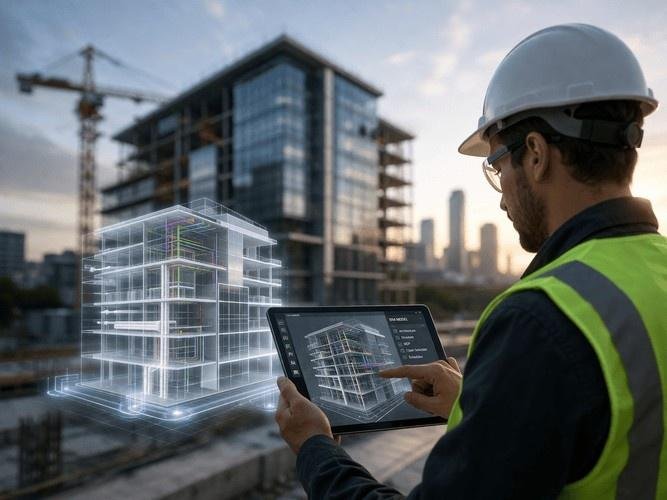
- Digital design: Architects and engineers prepare coordinated drawings and, where appropriate, use Building Information Modelling (BIM) to identify design conflicts and plan components.
- Manufacturing: Selected components are produced in a factory or prepared through an improved on-site process.
- Quality checks: Manufacturers inspect components during production to identify defects before delivery.
- Transportation: Finished panels, modules, or other components are moved to the construction site according to a delivery plan.
- Assembly and installation: Contractors prepare foundations and connect the manufactured components using the specified methods.
- Inspection and handover: The completed building is checked for safety, quality, performance, and compliance with applicable requirements.
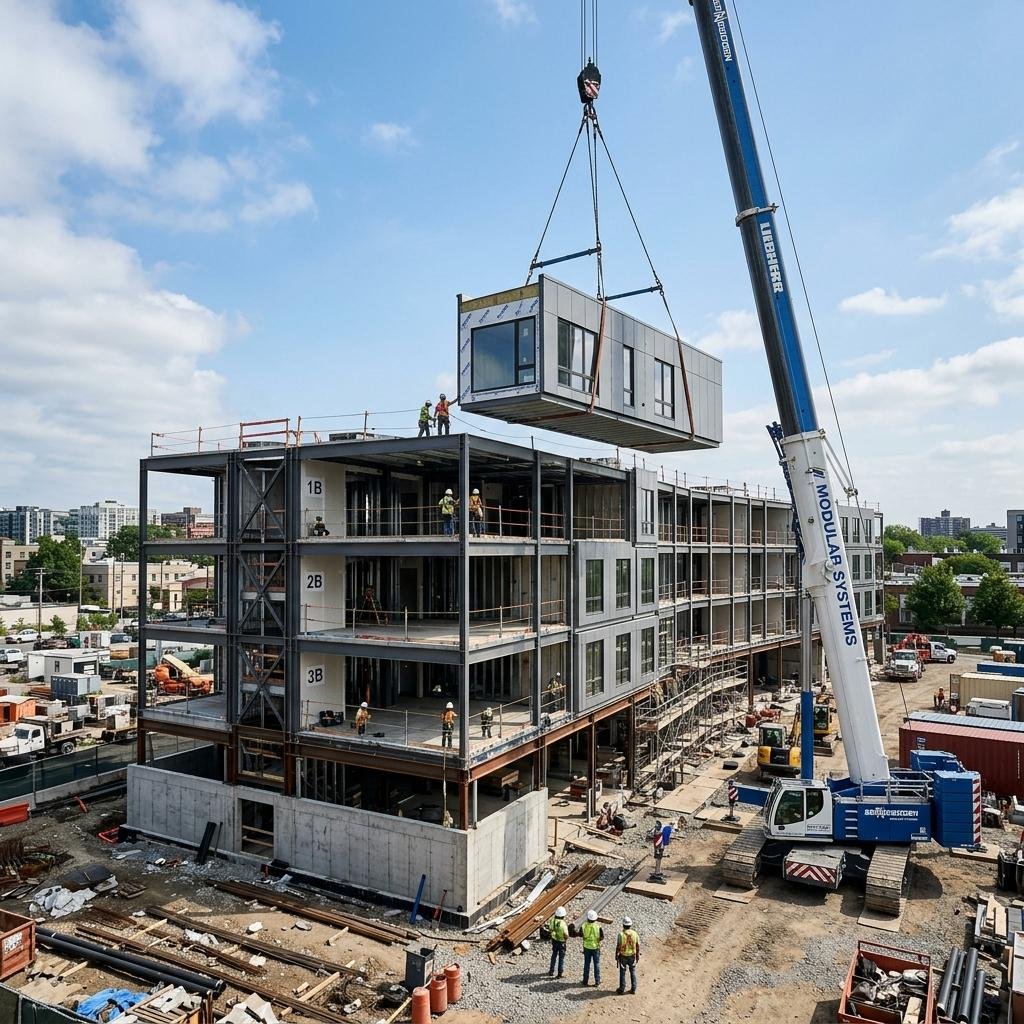
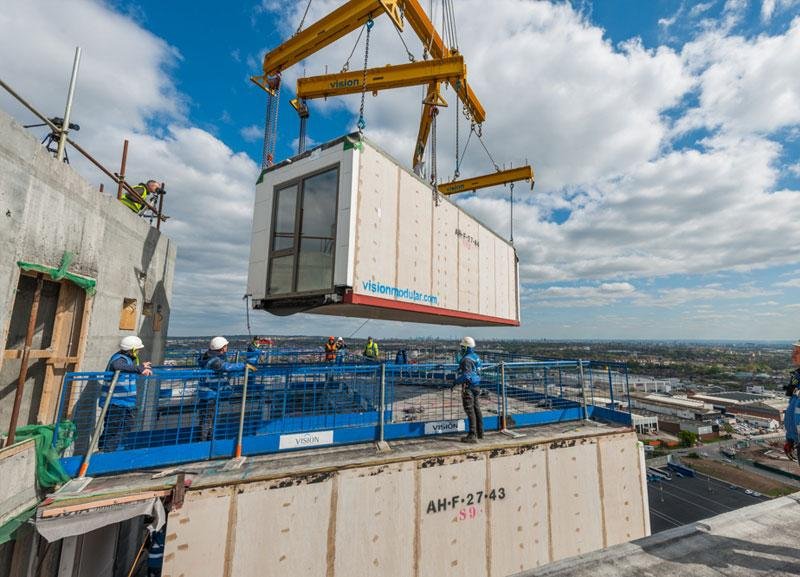
For example, a modular accommodation project may have room-sized units manufactured in a factory. Electrical systems, plumbing, insulation, windows, and internal finishes may be installed before the modules reach the site. A crane can then position the modules on prepared foundations, where teams complete the required connections and finishing work.
The amount of factory work varies. Some systems arrive as nearly finished modules, while others arrive as panels or individual components that require more work on-site.
What Are the Seven Categories of MMC?
A widely referenced UK framework developed by a government and industry working group identifies seven categories of Modern Methods of Construction. It helps explain the different technologies and processes that can fall under the MMC umbrella.
The categories are useful for understanding construction methods, but they should not be treated as a universal building code. Local regulations and project requirements still apply.
Category 1: Pre-Manufactured 3D Structural Systems
This category includes three-dimensional building modules manufactured in a controlled environment and transported to the site.
These modules can form complete rooms or sections of a building. Depending on the design, they may include walls, floors, ceilings, windows, insulation, plumbing, electrical services, and internal finishes.
Example: A hotel project using factory-built guest room modules that are connected on-site.
Category 2: Pre-Manufactured 2D Structural Systems
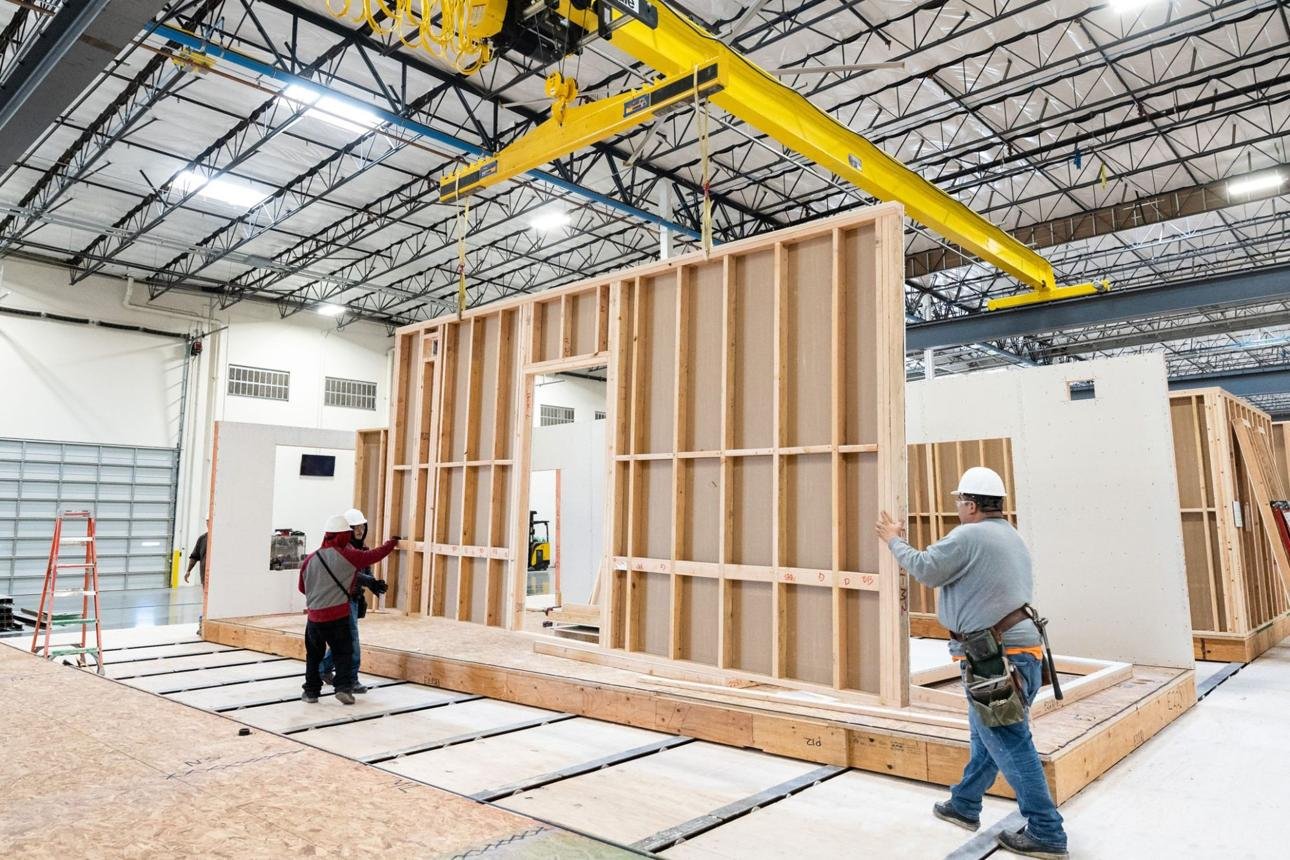
Category 2 covers flat, panel-based structural systems manufactured away from the final construction site.
Panels can be made from timber, steel, cross-laminated timber (CLT), or other suitable materials. They are transported to the site and assembled to form walls, floors, and roof structures.
Example: A housing project using factory-made wall panels that are assembled into homes on-site.
Category 3: Pre-Manufactured Structural Components
This category includes individual structural components manufactured before they are installed in a building.
Unlike complete volumetric modules or fully systemised panels, these components are produced separately and incorporated into the wider structure.
Example: Pre-manufactured beams, columns, floor sections, stairs, or foundation components.
Category 4: Additive Manufacturing
Additive manufacturing involves producing building components by adding material layer by layer. Three-dimensional printing is a common example.
The technology can be used to produce selected structural or non-structural components, depending on the design, materials, equipment, and applicable building requirements.
Example: A project using 3D printing to manufacture a building component or a section of a wall.
Category 5: Non-Structural Assemblies and Sub-Assemblies
This category covers pre-assembled components that do not form the building’s primary structural system.
They can be manufactured in factories and installed as part of a larger construction project.
Example: Pre-assembled bathroom pods, service units, façade elements, or building service modules.
Category 6: Traditional Building Products With Improved Installation
Category 6 includes building products and materials that improve productivity by making installation faster, easier, or safer.
The construction process may still take place on-site, but the materials or products are designed to reduce unnecessary labour and installation steps.
Example: Pre-cut building materials, large-format components, or products designed for simpler installation.
Category 7: Site-Based Process Improvements
This category focuses on improving the way work is organised and completed at the construction site.
It can include digital technologies, better coordination, automation, and equipment that helps teams improve productivity and safety.
Example: Using BIM-connected workflows, GPS-based site tools, augmented reality, or other digital systems to coordinate construction activities.
The seven-category framework demonstrates that MMC is much broader than factory-built homes. It includes manufacturing methods, materials, digital technologies, and improvements to everyday construction processes.
What Is the Difference Between MMC, Modular Construction, and Prefabrication?
These terms are related, but they do not mean exactly the same thing.
- MMC: The broad term for modern construction approaches, including off-site manufacturing, innovative materials, and improved site processes.
- Modular construction: A method in which three-dimensional building modules are manufactured and assembled to create part or all of a building.
- Prefabrication: The production of building components or assemblies before they are transported to the construction site.
- Off-site construction: A process in which building components are manufactured or assembled away from their final location.
- DfMA: Design for Manufacture and Assembly. It means planning a product or building so its components are easier to manufacture and assemble.
In simple terms, modular construction and prefabrication are examples of approaches that can fall within MMC. They are not the full definition of MMC.
What Are the Main Benefits of MMC?
MMC can offer several advantages, but the results depend on how well the method is selected and managed.
1. Faster Project Delivery
Manufacturing building components away from the site can allow some activities to happen at the same time as site preparation.
For example, foundations may be prepared while wall panels or modules are being manufactured. This overlap can reduce the overall programmed when design, production, and site work are properly coordinated.
2. More Consistent Quality Control
Factory production provides a controlled environment for manufacturing and inspecting components.
Teams can follow repeatable procedures, monitor production stages, and identify defects before components are delivered. However, factory production does not remove the need for independent inspections, correct installation, and final building checks.
3. Better Material Management
Manufacturing components to defined measurements can help reduce unnecessary cutting and material waste.
Careful planning may also improve material storage and ordering. The actual waste reduction depends on design accuracy, manufacturing efficiency, and how leftover materials are managed.
4. Improved Site Productivity
When selected components arrive ready for installation, workers may spend less time carrying out repetitive preparation tasks on-site.
This can help project teams organise labour more effectively and reduce some installation stages.
5. Potential Environmental Benefits
MMC can support more efficient material use, reduced construction waste, and fewer deliveries when production and logistics are planned properly.
Energy performance also depends on the completed building’s insulation, ventilation, materials, and operating systems. MMC alone does not guarantee a sustainable or low-carbon building.
6. More Predictable Construction Processes
Standardised components and coordinated manufacturing can make some stages easier to plan.
This can improve scheduling and help teams identify problems earlier. However, late design changes, supply delays, and transportation restrictions can still affect the project.
What Are the Disadvantages and Risks of MMC?
MMC offers opportunities, but it also introduces challenges that need to be considered before a project begins.
Higher Initial Planning Requirements
MMC often requires detailed design decisions earlier than traditional construction. Changes made after manufacturing begins can be difficult or expensive to manage.
How to reduce this risk: Complete design coordination, confirm specifications, and involve manufacturers and contractors before production starts.
Transportation and Access Limitations
Large modules and panels may require special transport arrangements. Narrow roads, bridges, site access, lifting capacity, and delivery schedules can limit which systems are practical.
How to reduce this risk: Review transport routes, lifting equipment, delivery restrictions, and site access during the early planning stage.
Supplier and Supply Chain Dependence
Some MMC systems rely on specialist manufacturers and a limited number of suppliers. Delays or financial problems within the supply chain can affect the entire project.
How to reduce this risk: Check supplier capacity, manufacturing experience, warranties, delivery arrangements, and alternative supply options.
Design Changes Can Become More Complicated
A change to a conventional on-site detail may be relatively straightforward. A change to a manufactured module or panel can affect production drawings, factory schedules, and materials already ordered.
How to reduce this risk: Establish clear design approval stages and a formal process for managing changes.
Maintenance and Repair Requirements
Some MMC systems use different materials, connections, and construction details from traditional buildings. Maintenance teams need to understand these systems before carrying out repairs.
How to reduce this risk: Provide accurate building records, maintenance instructions, product information, and handover documents.
Fire Safety and Building Compliance
Fire performance, structural safety, weather resistance, and building regulations must be considered for every construction method. Factory manufacturing does not automatically make a building compliant.
How to reduce this risk: Use qualified designers and engineers, select appropriately tested systems, and obtain the required inspections and approvals.
Is MMC More Expensive Than Traditional Construction?
Not necessarily. MMC can have higher upfront costs in some projects, but it may also create savings through shorter programmes, more efficient manufacturing, reduced waste, and improved labour planning.
The final cost depends on several factors:
- The type and complexity of the building.
- The amount of manufacturing completed off-site.
- The number of similar components being produced.
- Factory setup and production costs.
- Transportation, lifting, and installation requirements.
- Site preparation and foundation work.
- Design changes and project management.
- Maintenance, warranties, and long-term operating costs.
For example, producing a large number of similar modules may make factory manufacturing more efficient. A small, highly customised building may not achieve the same advantages.
The best way to compare MMC with traditional construction is to examine the total project cost rather than comparing individual component prices alone. Include design, manufacturing, transportation, installation, maintenance, and expected building performance.
Is MMC More Sustainable Than Traditional Construction?
MMC can support sustainable construction, but the environmental benefits depend on the materials, manufacturing process, transportation, and performance of the finished building.
Potential benefits include:
- More accurate material use and less construction waste.
- Better control over manufacturing processes.
- Opportunities to use recycled or lower-impact materials.
- Fewer site deliveries when logistics are well coordinated.
- Improved building insulation and energy performance when these features are included in the design.
However, factory energy consumption, material production, transport distances, and replacement requirements also affect a building’s environmental impact.
For a meaningful comparison, project teams should consider the whole life cycle of the building rather than assuming that off-site manufacturing is automatically greener.
Where Is MMC Used?
Modern Methods of Construction can be used across different types of buildings and infrastructure projects.
Common applications include:
- Residential buildings: Houses, apartments, and affordable housing developments using modular units or panel systems.
- Healthcare facilities: Hospitals, clinics, and healthcare accommodation where repeatable layouts and carefully coordinated services may be useful.
- Education buildings: Schools, classrooms, student accommodation, and other facilities that use standardised components.
- Hotels and accommodation: Modular guest rooms and bathroom pods that can be manufactured before installation.
- Commercial buildings: Offices, retail spaces, and facilities that use prefabricated structural or non-structural components.
- Industrial facilities: Buildings that use pre-engineered steel structures, manufactured components, and coordinated installation processes.
The appropriate MMC method depends on the building’s purpose, technical requirements, location, and available supply chain.
How Do You Choose the Right MMC Method for a Project?
Choosing MMC should begin with the needs of the project, not simply the desire to use a newer construction technique.
Before making a decision, consider these questions:
- What type of building are you developing? A hotel, school, house, or industrial facility may require different construction systems.
- Can the design be standardised? Repeated layouts and components may make manufacturing more practical.
- Is there enough space and access? Check factory delivery routes, site access, storage, cranes, and installation areas.
- Are suitable manufacturers available? Review their capacity, technical experience, quality systems, and delivery record.
- Does the budget include the full process? Account for design, production, logistics, assembly, inspections, and maintenance.
- Can the project meet local regulations? Confirm structural, fire, energy, safety, and other applicable requirements.
- What happens after handover? Make sure the owner and maintenance team understand the system and have the required documentation.
A project team should compare more than one construction option and assess the advantages, risks, and long-term costs before selecting a method.
Frequently Asked Questions About MMC
What is MMC in simple terms?
MMC stands for Modern Methods of Construction. It refers to modern ways of designing, manufacturing, and assembling buildings using methods such as prefabrication, modular construction, digital tools, and improved site processes.
What are the seven MMC categories?
The widely used UK MMC Definition Framework identifies seven categories: 3D structural systems, 2D structural systems, non-systemised structural components, additive manufacturing, non-structural assemblies, improved traditional building products, and site-based process improvements.
Is MMC the same as prefabricated construction?
No. Prefabrication is one approach within the broader MMC concept. MMC also includes modular construction, digital technologies, innovative materials, and improved construction processes.
Is MMC better than traditional construction?
Neither method is automatically better for every project. MMC may offer benefits in productivity, manufacturing quality, and programmed planning, while traditional construction may be more practical for certain locations, designs, or small projects. The best choice depends on project requirements.
Can MMC reduce construction time?
It can. Factory production may take place while site preparation is underway, allowing some activities to overlap. However, design delays, manufacturing capacity, transport, weather, and installation work can still affect the schedule.
Does MMC always cost less?
No. Costs depend on the project size, design, manufacturing method, transport, installation, and long-term requirements. A full project cost comparison is more useful than assuming MMC will always be cheaper.
Are MMC buildings safe?
MMC buildings can be designed to meet applicable building and safety requirements. Safety depends on appropriate design, tested materials and systems, skilled installation, quality checks, and regulatory compliance.
Can MMC be used for small construction projects?
Yes, selected MMC products and processes can be used in smaller projects. Examples include prefabricated bathroom pods, wall panels, pre-cut materials, and improved installation systems. The method should be chosen according to the project’s needs and costs.
Is MMC environmentally friendly?
It can support more efficient material use and reduce some construction waste. However, the environmental impact also depends on material production, factory energy, transportation, building performance, and the building’s full life cycle.
What is the difference between off-site construction and MMC?
Off-site construction refers to manufacturing or assembling building components away from their final location. MMC is broader and also includes on-site process improvements, innovative materials, and digital construction technologies.
Final Thoughts: Why Does MMC Matter?
Modern Methods of Construction are changing how buildings are planned, manufactured, and assembled. By combining factory production, prefabricated components, digital planning, and improved site processes, MMC can help construction teams improve productivity and manage certain project challenges.
But choosing MMC is not simply about using the newest technology. It requires careful planning, reliable suppliers, suitable designs, safe installation, and a realistic understanding of total costs.
The most successful approach is to select the construction method that fits the building, location, budget, and long-term needs. When these factors are considered together, MMC can become a practical part of more efficient and better-managed construction projects.