


Technology Drive: How AI and Innovation Are Shaping the Future of Business
Technology is no longer just a tool that helps businesses complete everyday tasks. It has become one of the most important forces behind business growth, innovation, and competitive advantage. From artificial intelligence to intelligent automation, modern solutions are changing how organizations operate, communicate, serve customers, and make decisions.
This continuous movement toward better and smarter solutions is known as the technology drive. It represents the growing demand for technological progress, digital transformation, and innovative approaches to solving real-world problems.
Today, companies that embrace technology innovation can improve efficiency, respond to changing customer expectations, and discover new opportunities. Whether through machine learning, cloud computing, or generative AI, technology is creating possibilities that were difficult to imagine just a few years ago.
Understanding this shift is essential for businesses that want to remain competitive in an increasingly digital world.
What Is the Technology Drive?
The technology drive refers to the continuous development, adoption, and improvement of technologies that help individuals and organizations achieve better results. It includes everything from software development and digital communication to artificial intelligence, robotics, and advanced data analytics.
However, technological progress is not simply about introducing new devices or applications. Its real purpose is to solve problems, improve productivity, and create meaningful value.
For businesses, the technology drive often involves:
- Replacing manual processes with automated workflows.
- Using data analytics to make informed decisions.
- Adopting cloud platforms for improved flexibility.
- Implementing artificial intelligence to improve business operations.
- Strengthening cybersecurity and protecting digital information.
- Developing new products and services through technology innovation.
These developments demonstrate how technological change can influence almost every business function.
How Digital Transformation Is Changing Businesses
Digital transformation is one of the strongest examples of the modern technology drive. It involves integrating digital technologies into business operations, customer experiences, and organizational strategies.
Rather than simply purchasing new software, successful digital transformation requires companies to rethink how their processes work and how technology can improve them.
For example, businesses can use cloud-based platforms to improve collaboration between remote teams. Customer relationship management systems can organize customer information, while analytics platforms help management identify patterns and understand market behavior.
Digital transformation also makes it easier for organizations to respond to changing market conditions.
Improved Productivity and Operational Efficiency
One of the most noticeable benefits of digital technology is increased productivity. Businesses can automate repetitive activities, reduce manual errors, and give employees more time to focus on important responsibilities.
For instance, automated reporting tools can collect and organize information, while intelligent systems can help manage customer inquiries and internal workflows.
These improvements support tech-driven growth by helping organizations use their resources more effectively.
Better Customer Experiences
Modern customers expect fast responses, convenient services, and personalized experiences. Technology helps businesses meet these expectations through digital platforms, customer analytics, chatbots, and AI-powered solutions.
Companies can understand customer preferences more effectively and provide relevant recommendations, support, and services.
The result is a more connected customer experience that can strengthen long-term relationships.
Artificial Intelligence Is Accelerating the Technology Drive
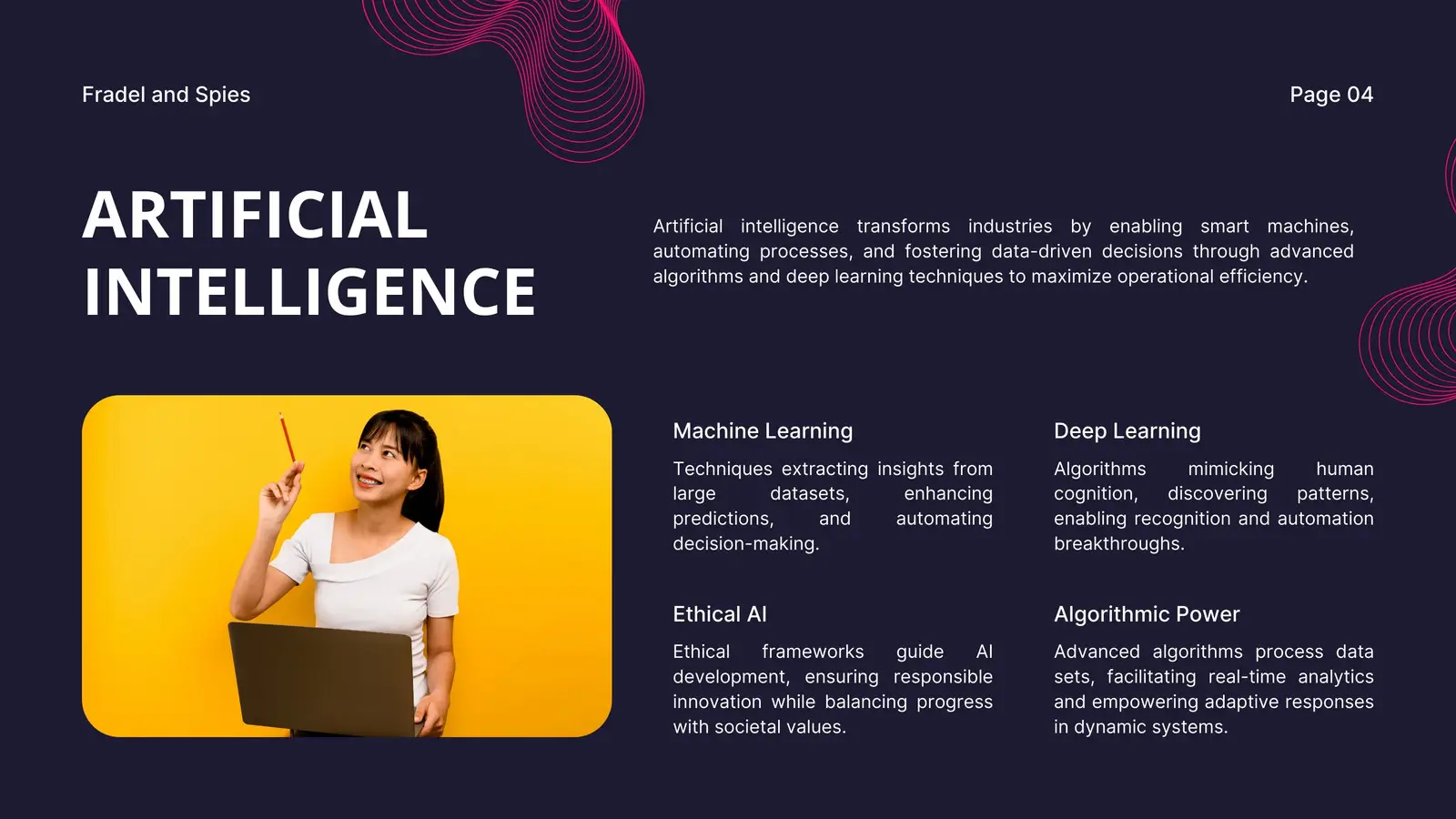
Artificial intelligence is becoming one of the most influential forces behind technology innovation. It allows computer systems to analyze information, recognize patterns, generate content, and support complex decisions.
Businesses are increasingly exploring AI adoption to improve their operations and discover new opportunities.

Machine Learning and Intelligent Decision-Making
Machine learning is a branch of artificial intelligence that enables systems to learn patterns from data and improve their performance over time.
Businesses can use machine learning for demand forecasting, fraud detection, customer segmentation, and predictive maintenance.
For example, an online retailer can analyze purchasing behavior to understand which products customers are more likely to buy. A manufacturing company can use predictive models to identify equipment problems before they cause operational disruptions.
These applications demonstrate how AI innovation can turn business data into practical insights.
Generative AI and AI Tools for Business
Generative AI has introduced another major development in the future of technology. Unlike traditional systems that primarily analyze existing information, generative AI can create new content, including text, images, summaries, and computer code.
AI tools for business can support several activities, such as:
- Creating marketing content and product descriptions.
- Summarizing lengthy documents and reports.
- Assisting with research and information analysis.
- Supporting software development and testing.
- Improving customer service through AI assistants.
- Helping teams organize and process information.
These AI-powered solutions can save time and support creativity. However, human review remains important to maintain accuracy, originality, and quality.
Agentic AI and the Next Phase of Automation
One of the emerging technology trends is agentic AI.
While traditional AI tools often respond to individual instructions, agentic AI systems can work toward defined objectives by planning tasks, using connected tools, and completing multiple steps within a workflow.
For example, an AI agent could help organize customer support requests, retrieve relevant information, prepare responses, and escalate complex issues to a human employee.
This development could make intelligent automation more capable and flexible.
However, organizations should establish clear permissions, security controls, and human oversight before allowing AI agents to perform important business activities.
Emerging Technology Trends Shaping the Future
Artificial intelligence is not the only force driving technological advancement. Several other developments are also influencing how businesses and individuals interact with technology.
1. Cloud Computing
Cloud computing allows businesses to access software, storage, and computing resources over the internet. It reduces dependence on local infrastructure and makes collaboration easier.
2. Internet of Things (IoT)
IoT connects physical devices to digital networks, allowing them to collect and exchange information. Smart sensors can help businesses monitor equipment, manage inventory, and improve operational performance.
3. Cybersecurity Innovation
As organizations become more digitally connected, protecting information becomes increasingly important. Modern security technologies help detect suspicious activity, manage access, and reduce exposure to cyber threats.
4. Robotics and Automation
Robotics and automation are transforming manufacturing, logistics, and other industries. Automated systems can perform repetitive tasks with consistency and support employees in complex operations.
5. Advanced Data Analytics
Businesses increasingly rely on analytics to understand customers, monitor performance, and identify opportunities. Better access to reliable information can support faster and more informed decisions.
Together, these technology trends are shaping the future of business and creating new possibilities for innovation.
How Businesses Can Build an Effective Innovation Strategy
Technology adoption alone does not guarantee success. Businesses need an innovation strategy that connects technology investments with clear organizational goals.
Here are five practical steps to consider.
- Identify Business Challenges
Start by identifying problems that technology can realistically solve. These might include slow processes, high operational costs, poor communication, or limited access to business insights.
- Choose the Right Technology
Evaluate available solutions based on their usefulness, cost, security, and compatibility with existing systems. Avoid adopting technology simply because it is popular.
- Invest in AI Adoption and Employee Training
Employees need the skills and confidence to use new systems effectively. Provide training, encourage experimentation, and establish clear guidelines for responsible technology use.
- Prioritize Data Security
Digital transformation creates new responsibilities around data protection and privacy. Organizations should implement access controls, security policies, regular monitoring, and appropriate AI governance.
- Measure Performance and Improve Continuously
Track measurable outcomes such as productivity, customer satisfaction, processing time, and operational costs. Use these results to evaluate whether technology investments are delivering real value.
A thoughtful strategy helps businesses turn technology innovation into sustainable growth rather than unnecessary complexity.
Challenges Associated With Rapid Technological Change
Although technology creates significant opportunities, it also introduces challenges that organizations must understand.
Cybersecurity risks: More connected systems can increase exposure to data breaches, phishing, and unauthorized access.
Implementation costs: New platforms, infrastructure, and employee training can require substantial investment.
Skills gaps: Employees may need additional technical knowledge to work effectively with emerging tools.
Data privacy: AI-powered solutions often process large amounts of information, making responsible data management essential.
Overdependence on automation: Excessive reliance on automated decisions can create problems when systems produce inaccurate or unexpected results.
Responsible technology adoption requires balancing innovation with security, transparency, and human judgment.
The Future of Technology: What Comes Next?
The future of technology will likely be shaped by increasingly intelligent, connected, and automated systems.
Artificial intelligence will continue developing, while agentic AI may become more integrated into everyday business workflows. Machine learning will support more advanced predictions, and generative AI will continue changing how people create and process information.
At the same time, improvements in cloud computing, cybersecurity, robotics, and connected devices will create additional opportunities for businesses.
The most important development will not necessarily be the arrival of a single breakthrough. It will be the way different technologies work together to solve practical problems.
Organizations that remain open to technological change, invest in employee skills, and adopt responsible innovation practices will be better positioned to respond to future opportunities.
Conclusion
The technology drive is much more than a movement toward newer devices and software. It represents an ongoing shift in how businesses innovate, solve problems, and create value.
From digital transformation and machine learning to generative AI and intelligent automation, technology is opening new opportunities for productivity and growth.
However, successful innovation requires more than adopting the latest tools. Businesses must understand their goals, select appropriate solutions, protect their information, and prepare their people for change.
By combining a clear innovation strategy with responsible AI adoption, organizations can turn technological progress into meaningful business results.
The future belongs to businesses that do not simply follow technology trends but understand how to use technology effectively.
Frequently Asked Questions (FAQs)
1. What does technology drive mean?
Technology drive refers to the continuous development and adoption of technological solutions that improve productivity, solve problems, encourage innovation, and create new opportunities.
2. How does technology drive business growth?
Technology supports business growth through automation, better data analysis, improved customer experiences, digital transformation, and more efficient operations.
3. Why is digital transformation important?
Digital transformation helps organizations modernize their processes, improve collaboration, respond to customer needs, and remain competitive in changing markets.
4. How is artificial intelligence changing businesses?
Artificial intelligence helps businesses analyze information, automate repetitive activities, improve forecasting, generate content, and support decision-making.
5. What are the most important emerging technology trends?
Important technology trends include artificial intelligence, agentic AI, machine learning, cloud computing, cybersecurity, the Internet of Things, robotics, and advanced analytics.
6. What is the difference between generative AI and agentic AI?
Generative AI creates content such as text, images, and code in response to instructions. Agentic AI goes further by planning and carrying out multiple steps toward a defined objective, often using external tools.
7. How can small businesses benefit from technology innovation?
Small businesses can use affordable cloud software, AI tools, digital marketing platforms, automation, and analytics to improve efficiency, reach customers, and compete more effectively.